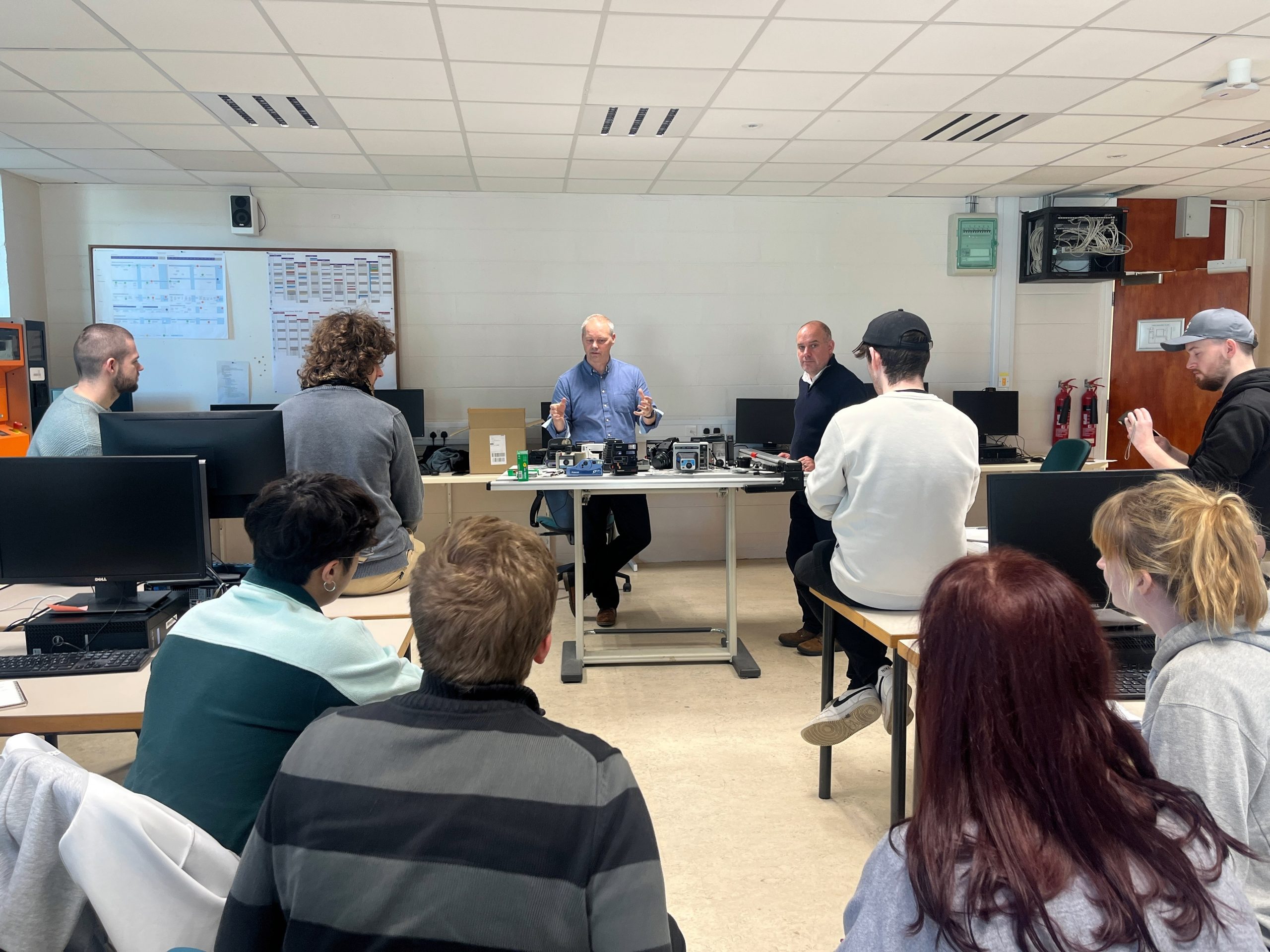
As a Product Design student at SETU Carlow, you’ll study in a fully dedicated, purpose-built environment designed around how product designers actually work – making, testing, iterating, and refining ideas through hands-on studio practice.
All facilities and equipment are exclusive to the Product Design programme. This includes four dedicated design studios (one for each year group), a fully equipped workshop, and digital fabrication spaces, all positioned beside each other and adjacent to the design staff offices.
This integrated layout supports a strong studio culture, easy access to equipment, and close interaction with staff. Students have access to a wide range of professional-grade tools, technologies, and prototyping resources that support applied learning across all stages of the product design process.
What this means in practice is simple: you won’t be waiting for access or learning design only in theory. You’ll work in a space where making is part of everyday studio life, building practical skills, confidence, and a strong design portfolio through continuous hands-on experience.
The Product Design facilities at SETU support a wide range of digital fabrication, workshop-based making, electronics, and human-centred design activities, giving students hands-on access to the tools used in contemporary product design practice.
3D Printing & Digital Fabrication
Workshop & Making Facilities
Design Research, UX & Emerging Tech
Electronics & Prototyping
Human-Centred Design
3D Printing & Digital Fabrication
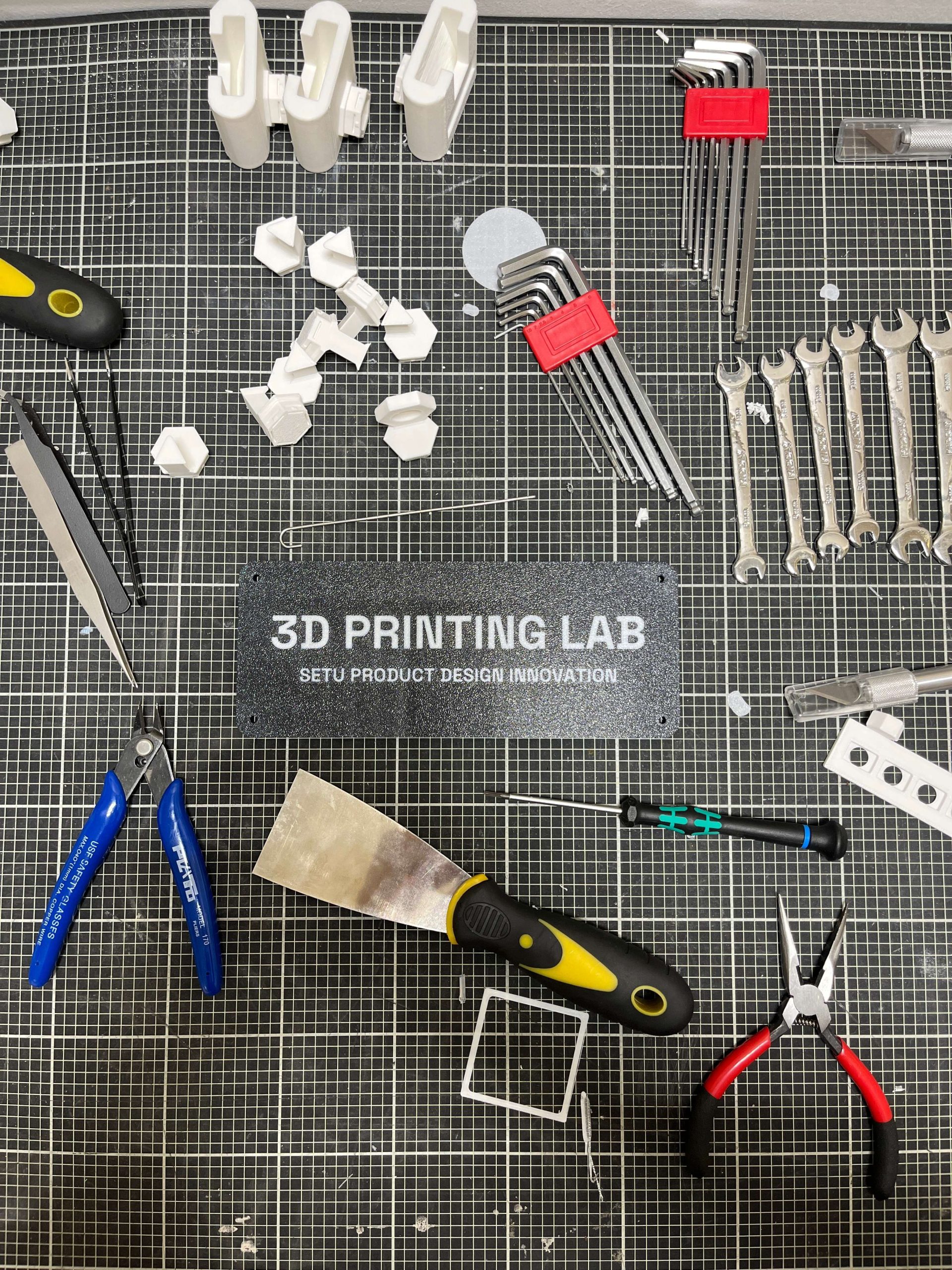
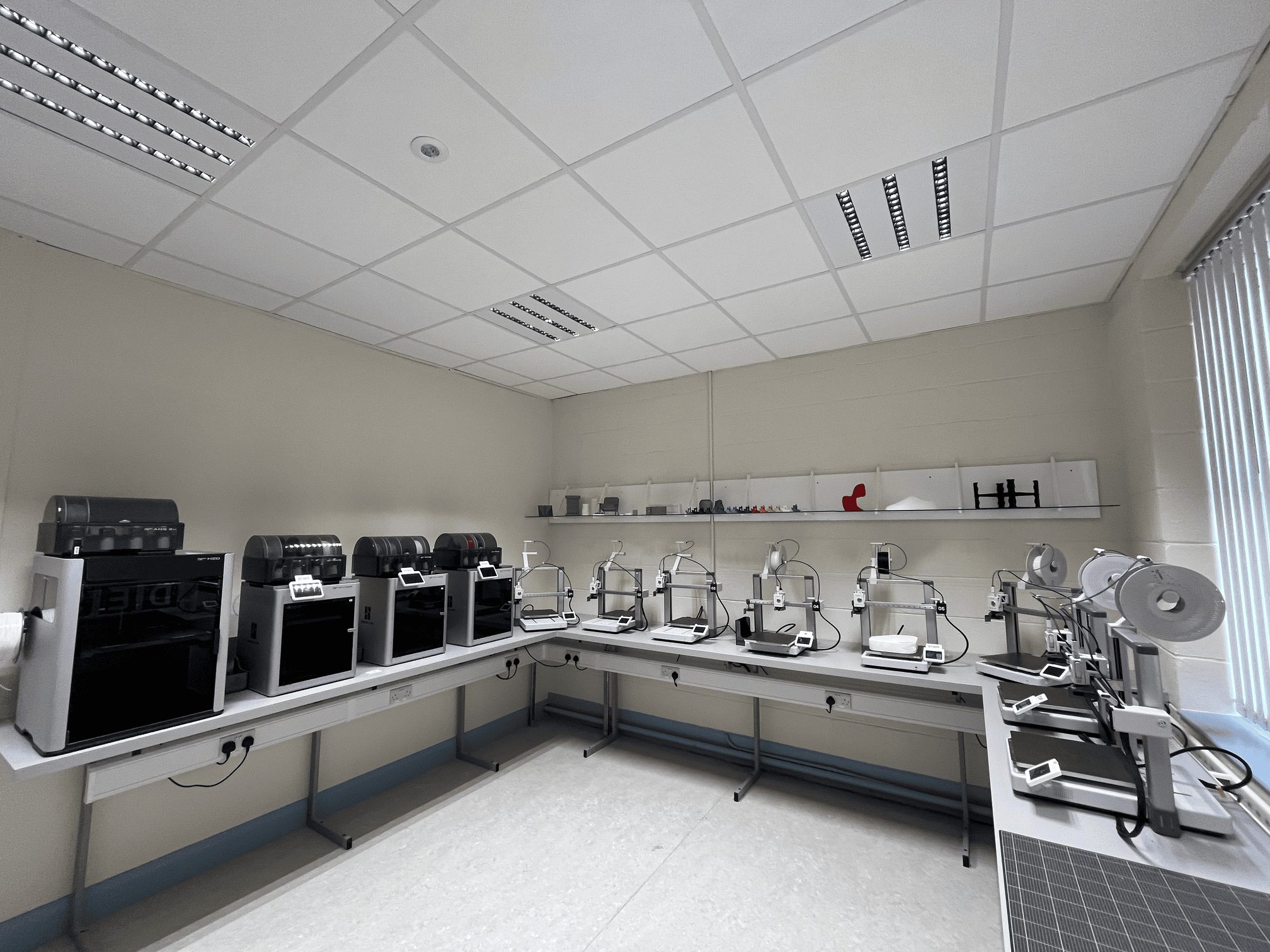
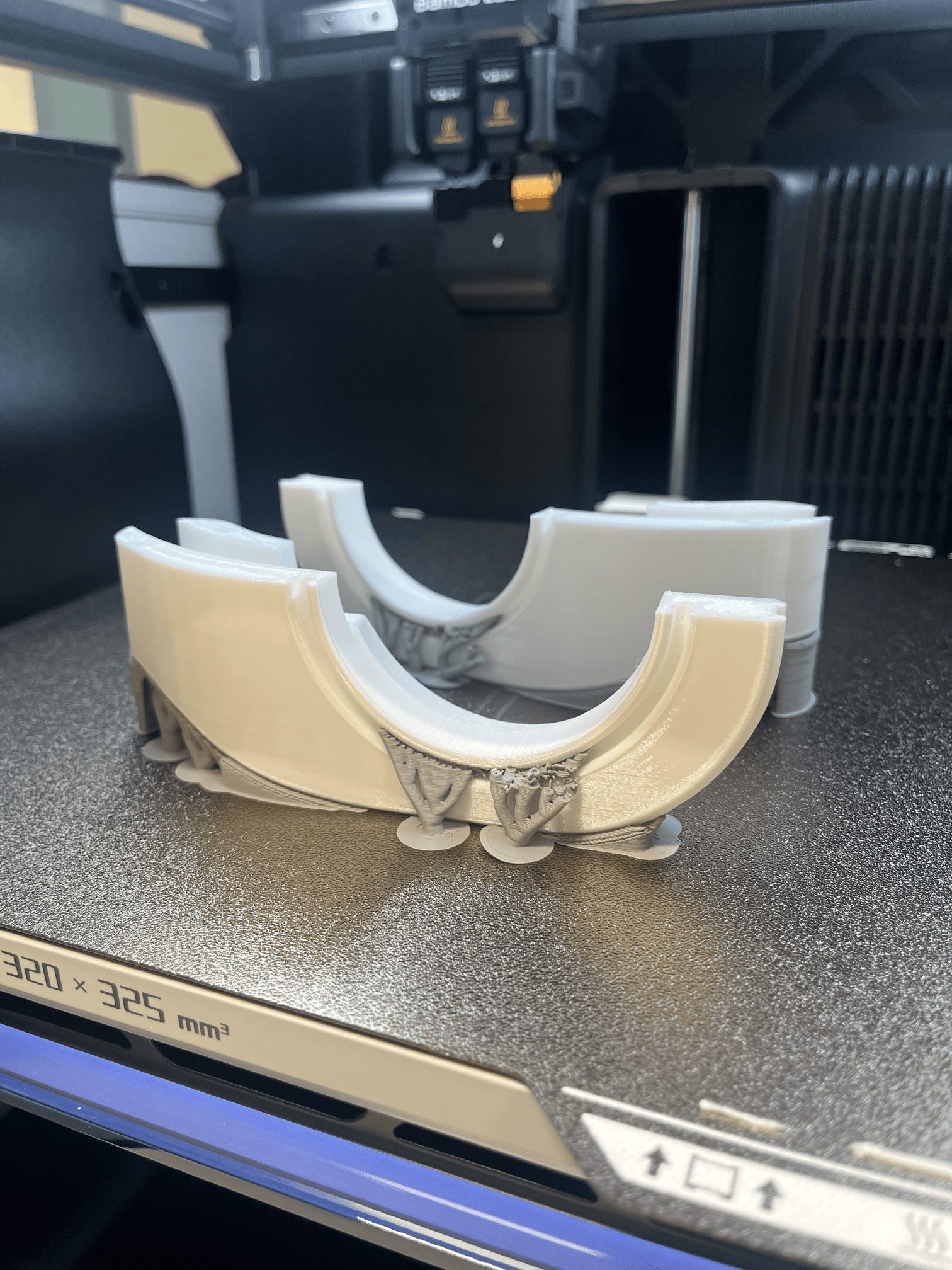
As a Product Design student at SETU Carlow, you have access to a dedicated 3D printing and digital fabrication lab located beside the design studios, supporting a fast workflow from concept to prototype as part of everyday studio practice.
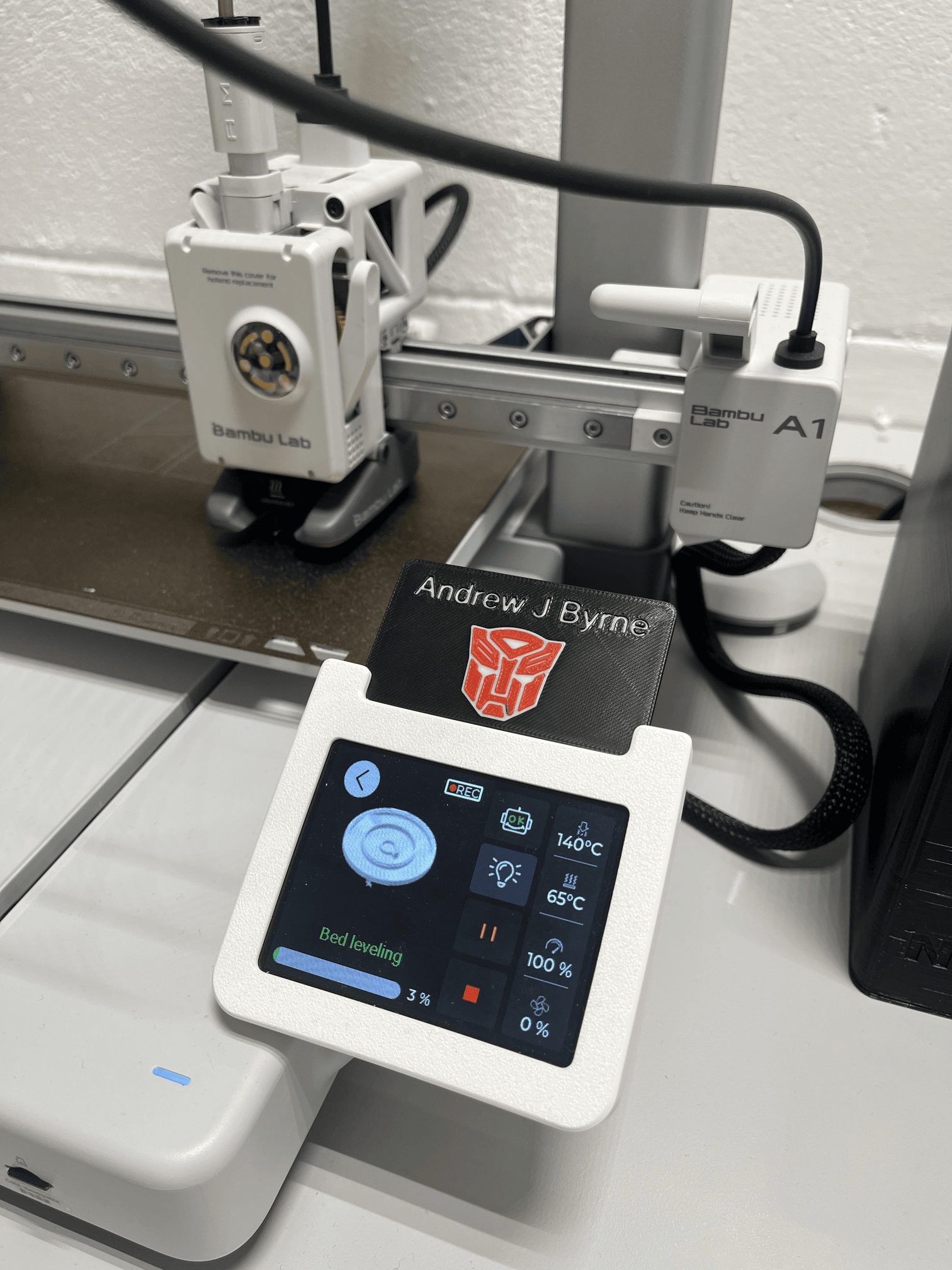
The lab includes 15 Bambu Lab 3D printers (A1, X1 Carbon, H2D) alongside an integrated material recycling system. Students receive training in key areas of 3D printing, including file preparation, material selection, printer setup, troubleshooting, and finishing, before using the lab to support ongoing studio and project work.
With a student-led culture and staff support close by, the lab helps students build technical confidence, iterate more efficiently, and produce higher-quality prototypes and portfolio outcomes through regular hands-on use.
Workshop & Making Facilities
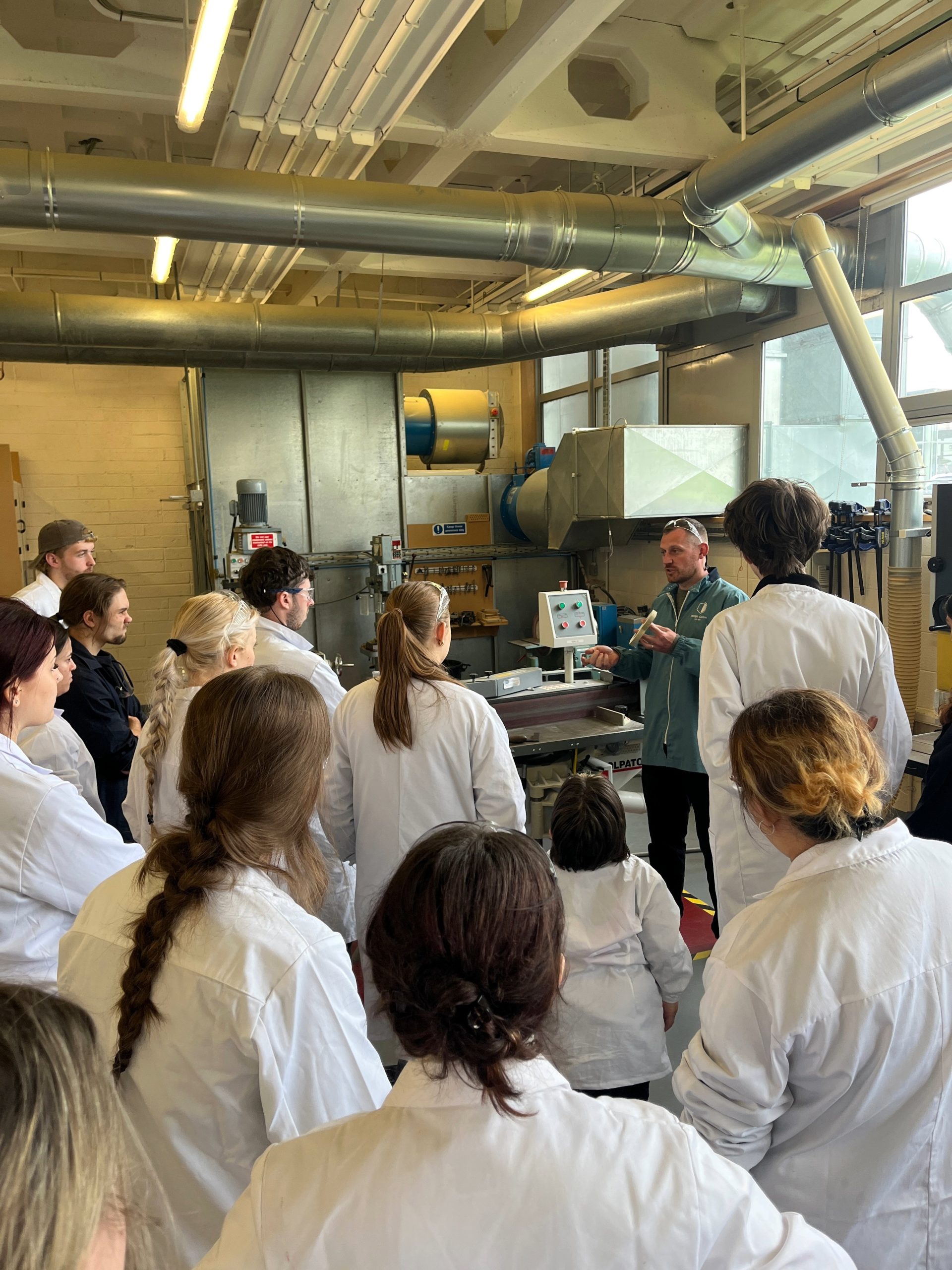
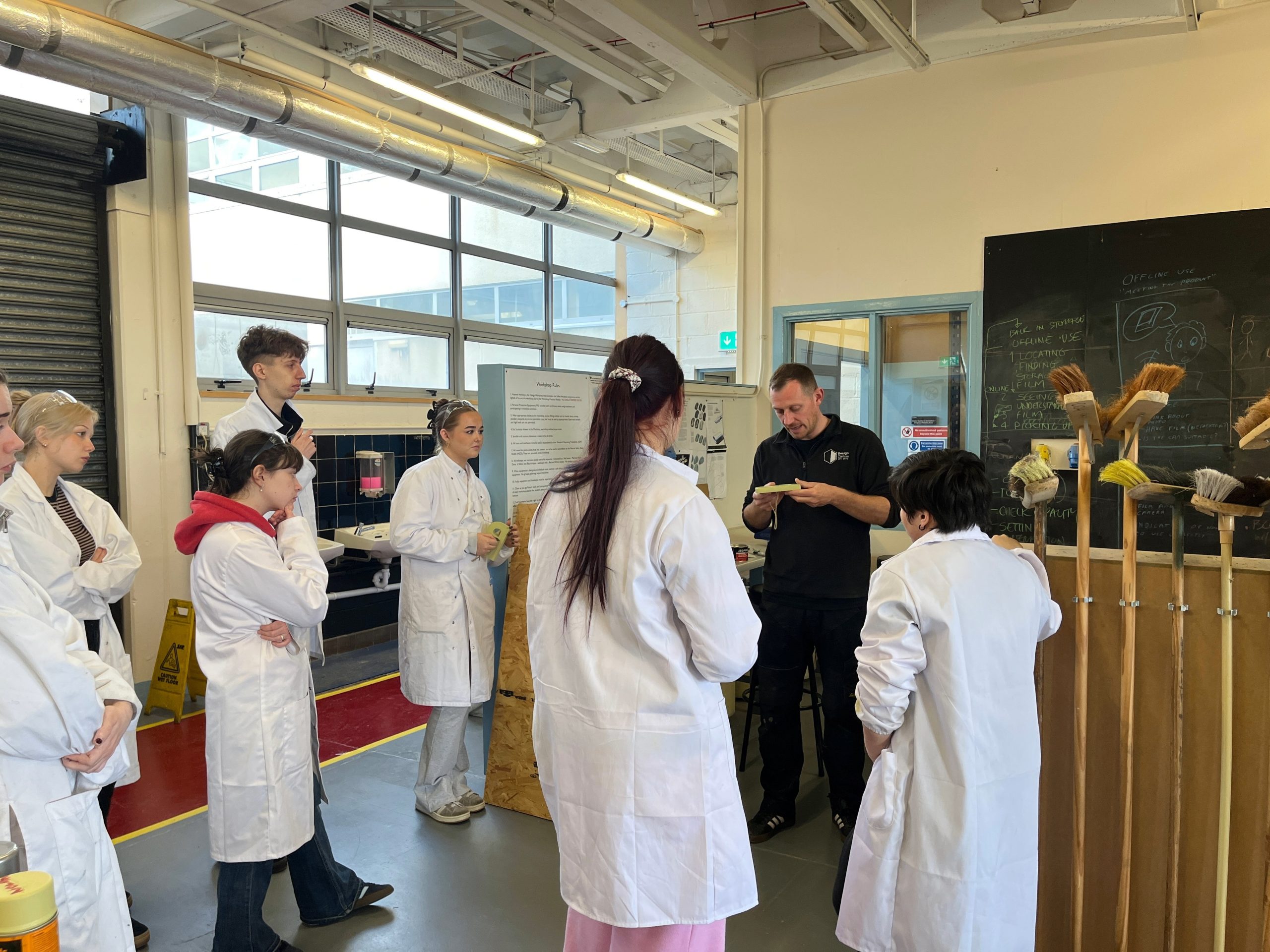
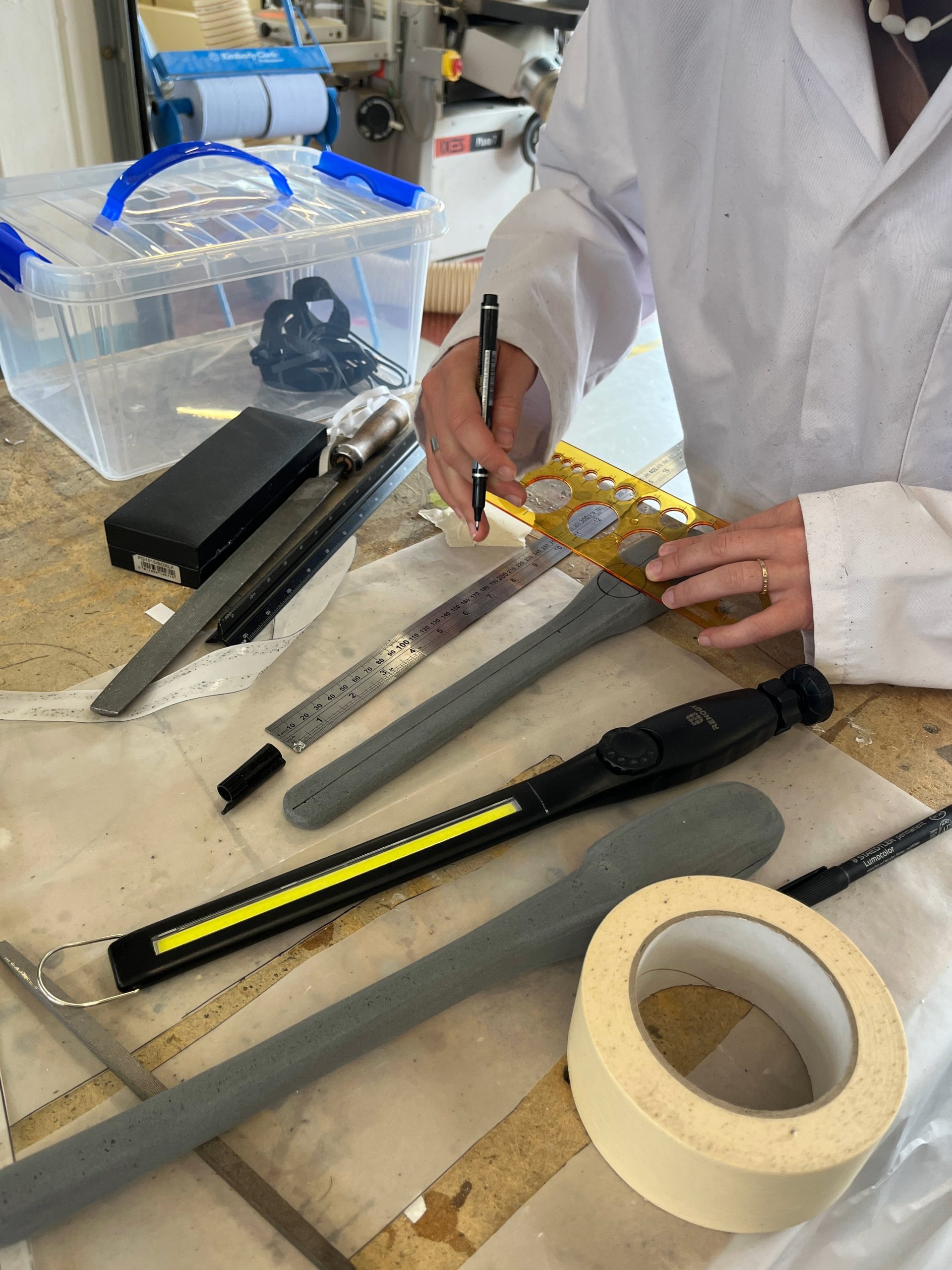
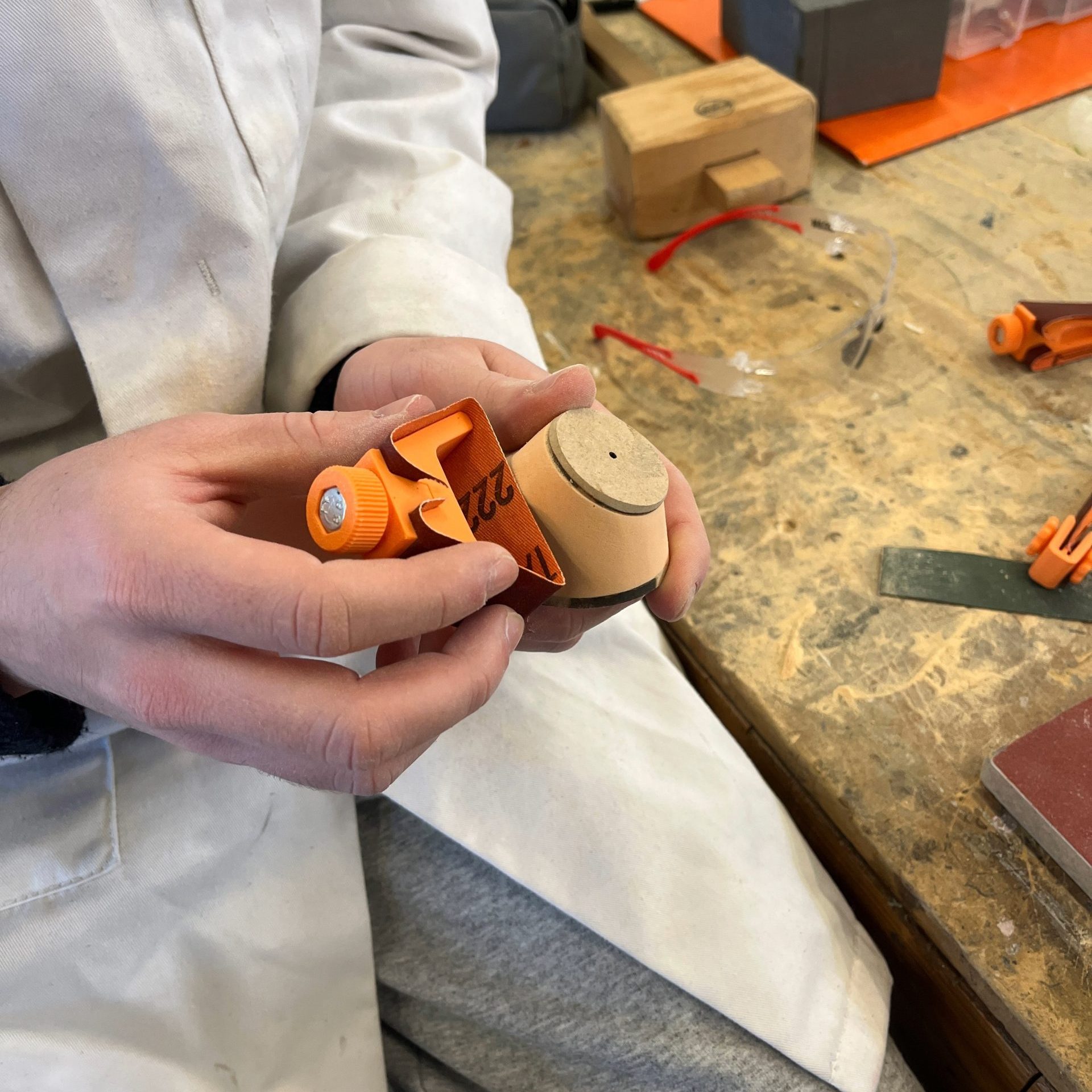
The Product Design workshop at SETU Carlow supports studio-based learning through hands-on making, helping students translate ideas into physical prototypes and models. Students receive four hours of dedicated workshop access each week, supported by design lecturers and technical staff, enabling safe skill development and regular practice across core making processes.
In first year, students are trained on workshop equipment and key methods, building confidence in working with a range of materials including foams, card, sheet materials, plastics, metals, and wood. Students also develop essential finishing skills, including surface preparation, painting, and spray application in a professional spray booth, supporting higher-quality prototypes and presentation models.
A dedicated soft modelling area is available when required, supporting rapid form exploration and early-stage prototyping as part of the everyday studio workflow.
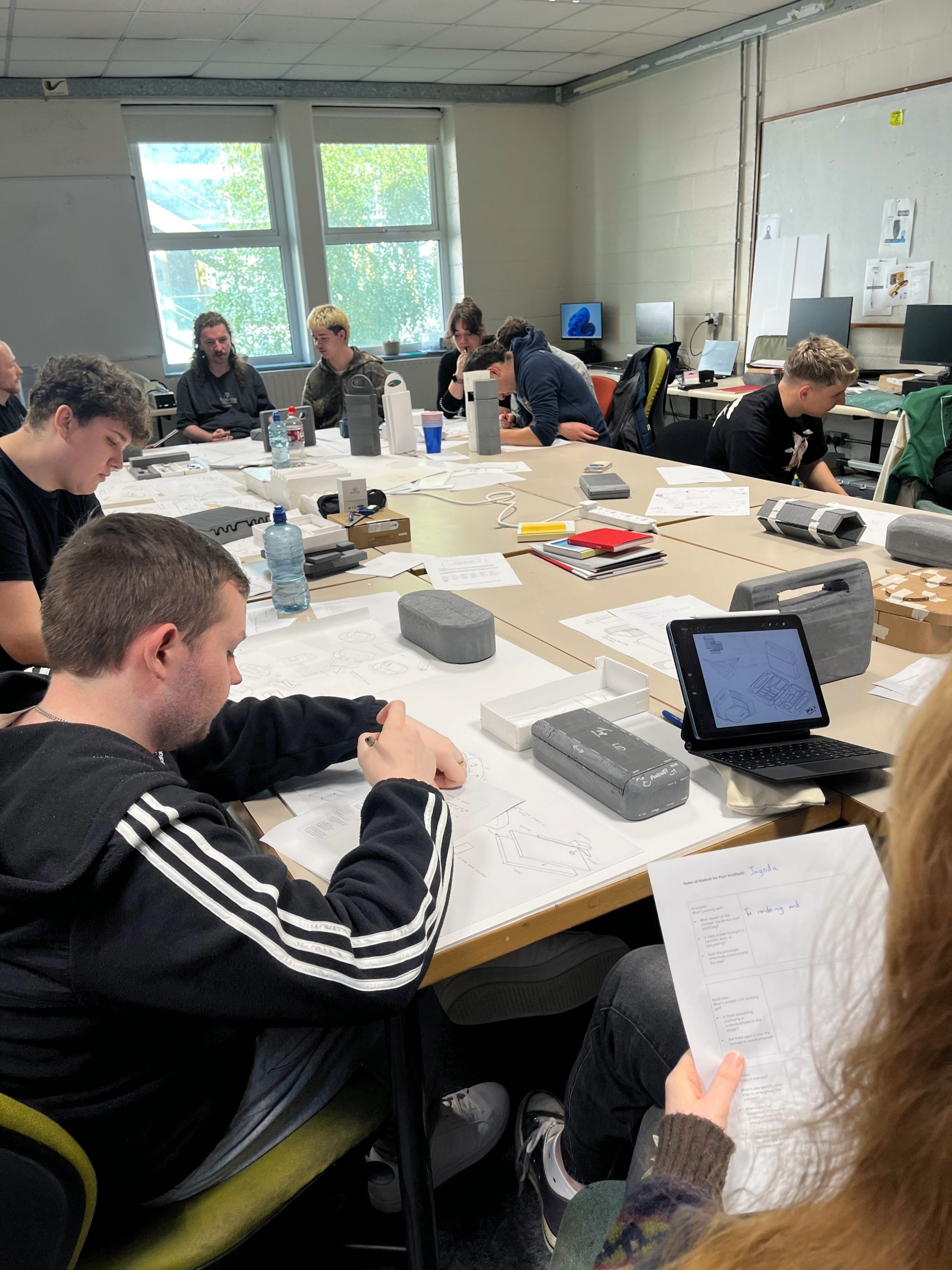
Each year group has its own dedicated studio room, positioned alongside the other years, supporting focused project work, peer learning, collaboration, critique, and a strong shared design studio culture environment.
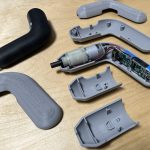
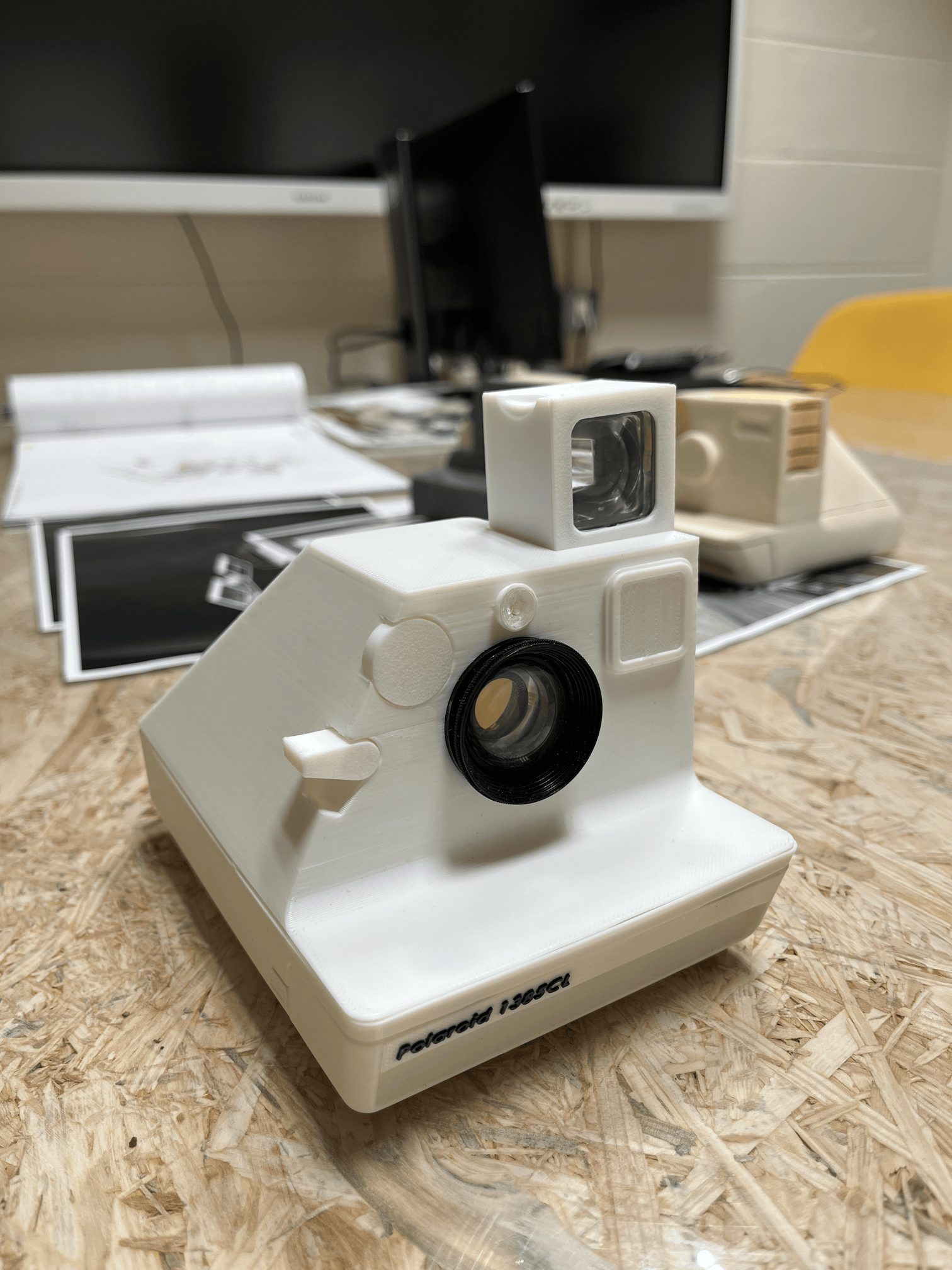
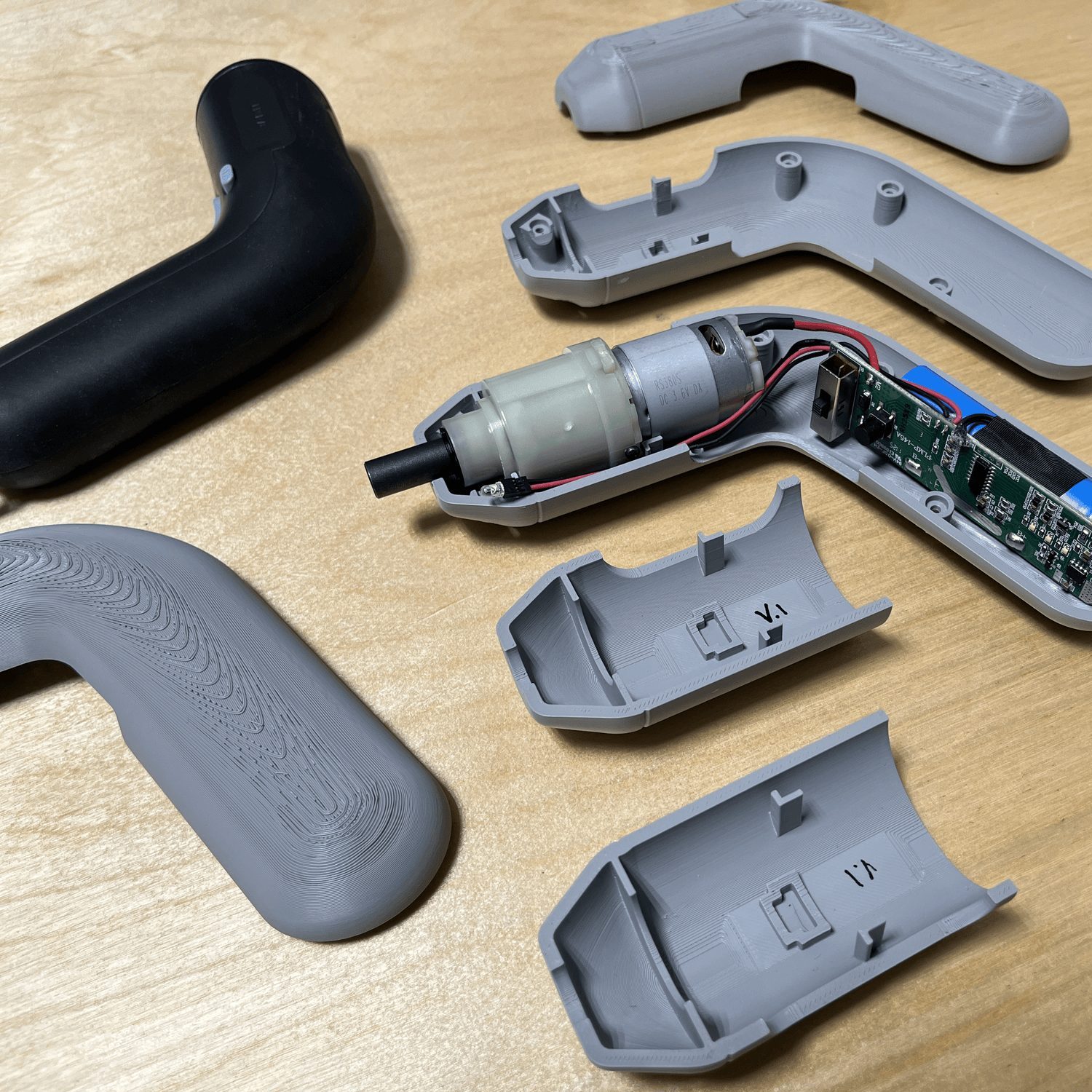
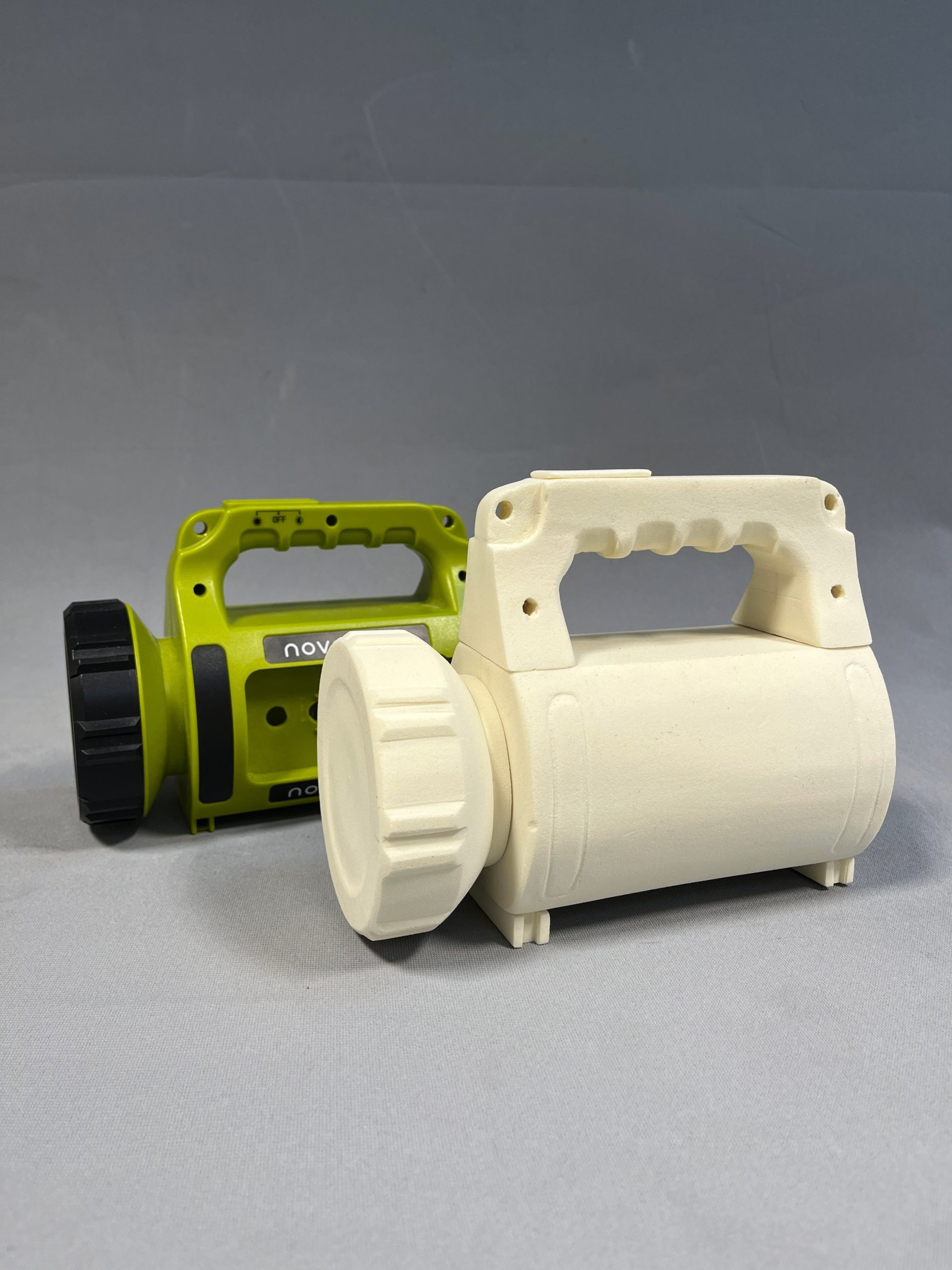
Our Bambu Lab FDM 3D printing lab supports rapid prototyping, helping students translate CAD models into physical designs while testing form, scale, function, assembly, materials, and design for manufacture skills.
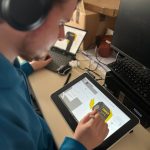
Our Wacom digital sketching equipment supports students in developing quick visual ideas, refining concepts, exploring form, proportion, detail, and presentation while building confidence in digital design communication workflows skills effectively.
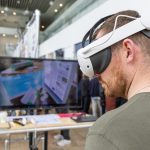
Our VR equipment allows students to experience, test, and present designs immersively, supporting spatial understanding, user-centred evaluation, scale awareness, interaction design, and new opportunities for digital prototyping within product design.
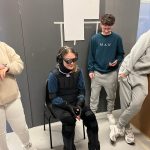
Our empathy equipment, including the GERT suit, vision impairment glasses, and mobility aids, helps students experience physical limitations, supporting inclusive design, user awareness, accessibility thinking, and more empathetic product development.
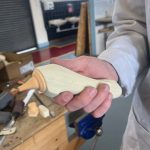
Our modelling foam supports hands-on form exploration, allowing students to sculpt ergonomics, test proportions, refine surfaces, explore product volumes, and quickly evaluate physical comfort, grip, and usability.
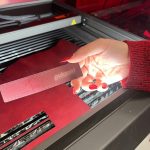
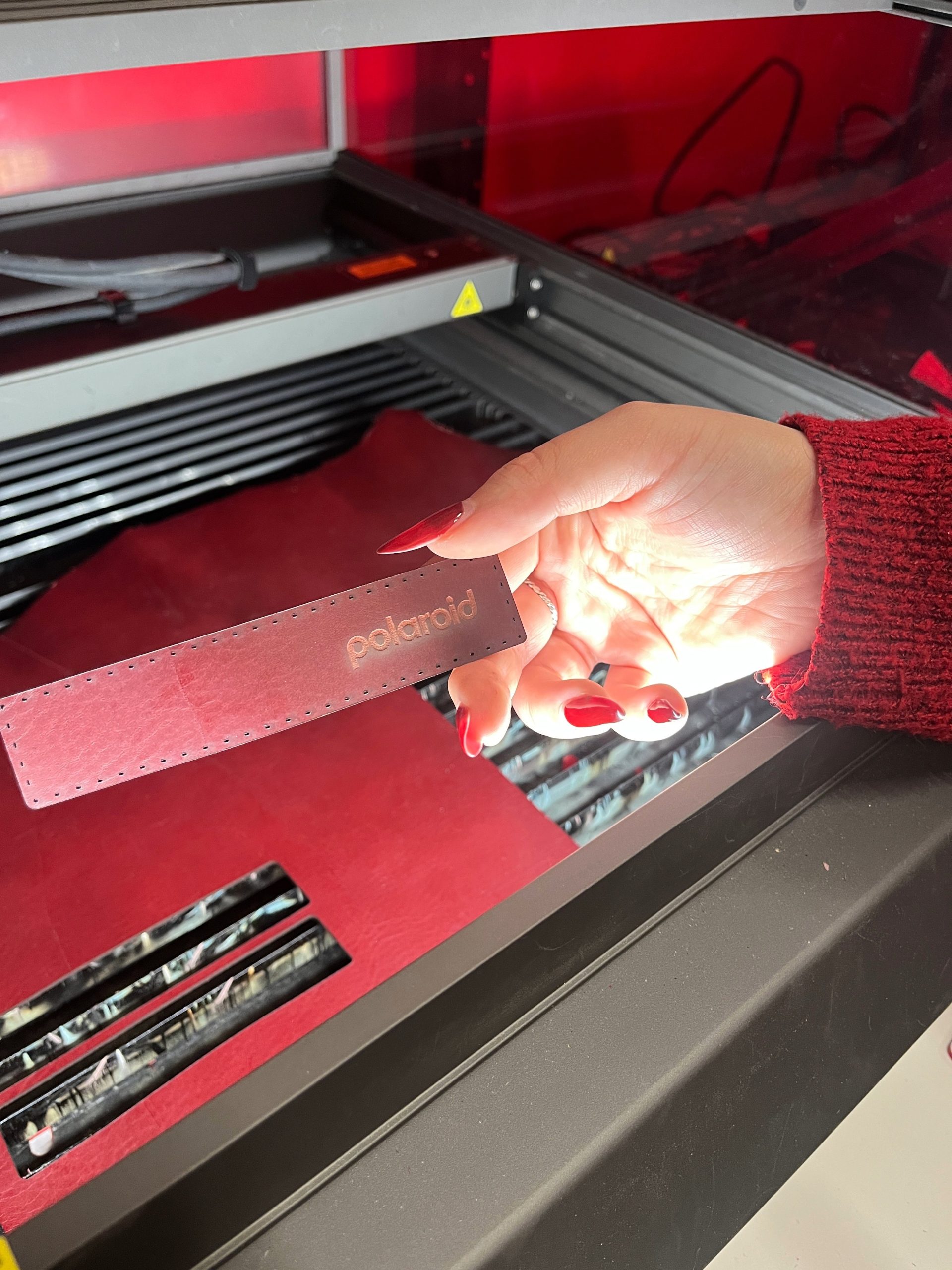
Our laser cutter supports precise cutting and engraving, helping students prototype components, model structures, test materials, refine details, and develop practical skills in digital fabrication.
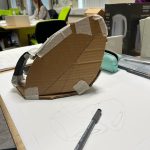
Our low-fidelity modelling materials, including card, foam core, sheet plastics, and basic workshop materials, support quick idea testing, structure building, scale exploration, iteration, and early physical prototyping.
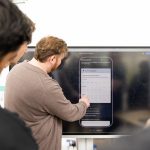
Our interactive screens support UX/UI design, allowing students to prototype, test, and present digital interfaces while exploring user flows, touch interaction, accessibility, navigation, and digital product experiences.
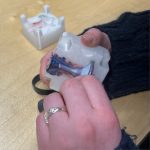
Our desktop wax injection moulding machine allows students to experience the injection moulding process, testing mould design, material flow, part quality, repeatability, and design for manufacture principles.
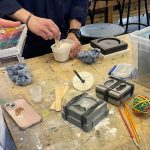
Our slip casting equipment allows students to experience ceramic manufacturing processes, exploring mould design, material behaviour, wall thickness, surface quality, repeatability, and design for production through hands-on making.
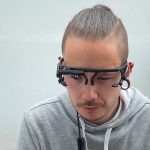
Our eye tracking glasses support user research and usability testing, helping students understand attention, navigation, interaction, visual behaviour, decision-making, and how people engage with products, interfaces, and environments.
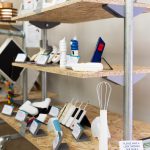
Our spray booth and painting equipment support safe surface finishing, allowing students to apply primers, paints, and coatings while developing skills in colour, texture, presentation, refinement, and professional model-making standards.
Our vacuum former helps students explore moulded plastic forms, testing profiles, wall thickness, surface detail, mould design, and repeatable manufacturing processes through practical, hands-on prototyping and material experimentation.
Our desktop CNC machines support precise cutting, shaping, and material exploration, helping students understand digital manufacturing, tooling, tolerances, surface finish, part accuracy, and design for production workflows.
Our Arduino and Raspberry Pi kits support interactive prototyping, allowing students to explore sensors, outputs, electronics, coding, user interaction, functional models, and connected product experiences through hands-on experimentation.
Our sewing and soft-goods equipment supports textile-based prototyping, helping students explore flexible materials, seams, patterns, wearable products, bags, covers, and soft components within product design development.
Our acrylic heating and forming equipment allows students to shape sheet plastics, testing bends, curves, transparency, structure, material behaviour, and fabrication details for product models and prototypes.
Our wood steam chamber supports material experimentation, allowing students to explore curved timber forms, flexibility, grain behaviour, shaping processes, traditional craft methods, and sustainable product design possibilities.
Our 3D scanning equipment supports reverse engineering, form capture, digital modelling, and product analysis, helping students translate physical objects into editable digital files for development and refinement.
Our material scanner helps students identify material types, supporting product disassembly, reverse analysis, sustainability thinking, specification decisions, and a deeper understanding of how materials influence design and manufacture.
