Sketching Introduction
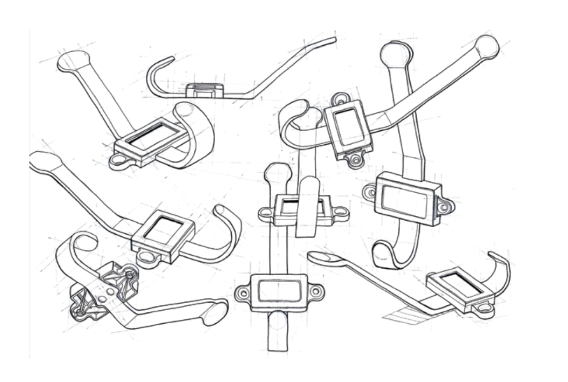
You’ll learn design sketching from the ground up, with no prior experience required. Teaching focuses on basic drawing control, clear line work, line weight, and perspective, helping you quickly build confidence in communicating ideas clearly through sketches.
Workshop Induction Models
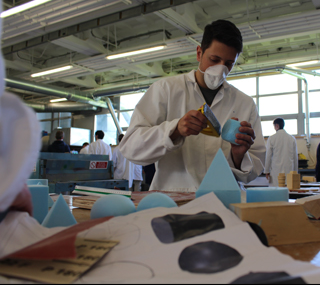
You’ll learn to shape foam and sheet plastics, paint and finish models, and safely use workshop machines including lathes, band saws, wire cutters, and laser cutters. With four hours weekly in a dedicated workshop, expert technical staff provide hands-on guidance and support.
Product Manufacturing & Materials
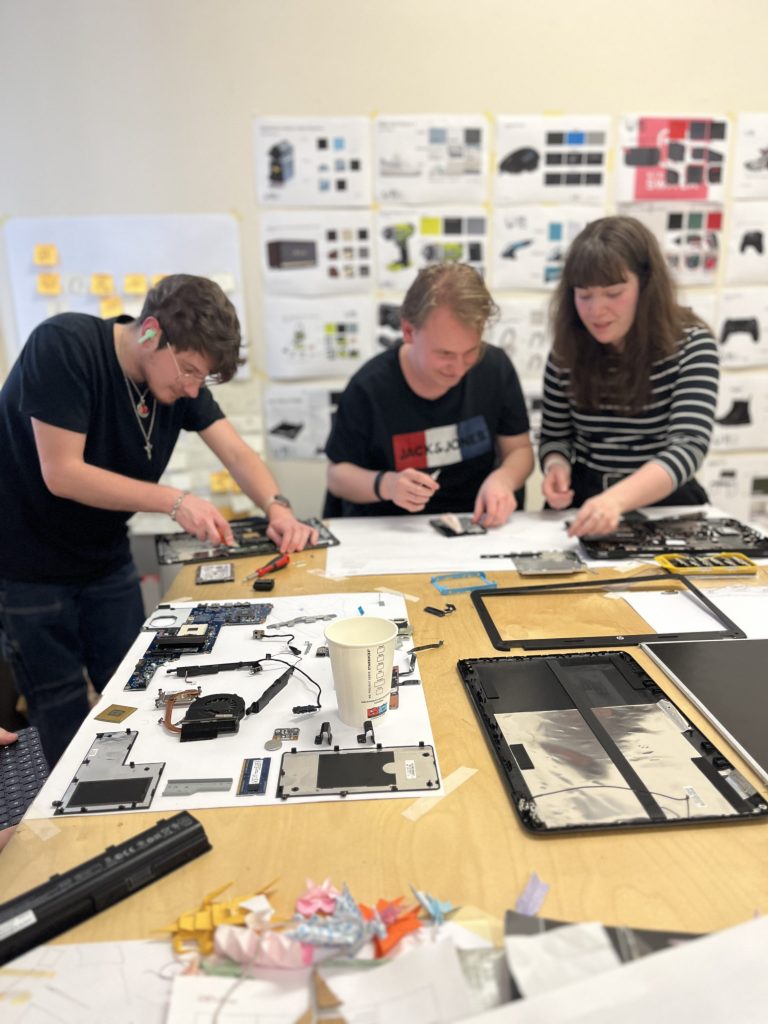
You’ll take products apart to understand how they’re built and why they work. By analysing components, materials, and manufacturing methods, you’ll learn what makes products reliable and fit for use. You’ll also explore exterior choices (colour, finish, texture) shaping look, feel, and user experience.
Freedom To Create
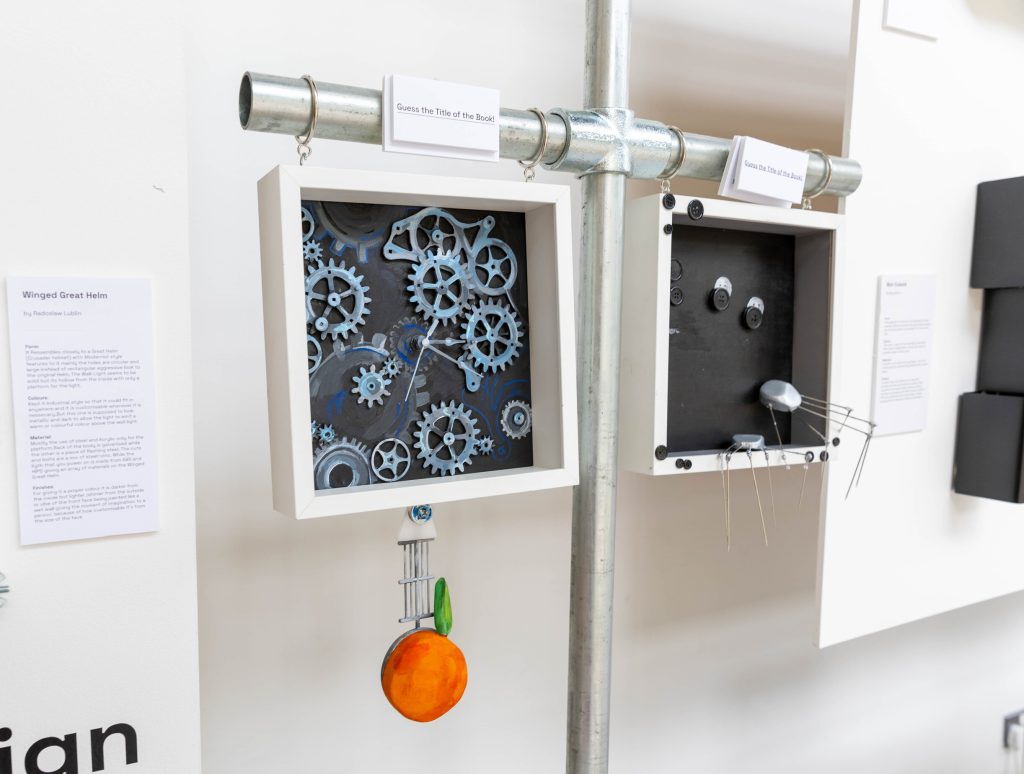
Throughout the year you’ll take on creative challenges that go beyond product design, exploring visual storytelling through object-making, imagery, and composition. These projects encourage experimentation and imagination, helping you communicate mood, narrative, and meaning through design. Above is a brief to visualise a book title within a picture frame—shown here with A Clockwork Orange.
User Centered Research Intro
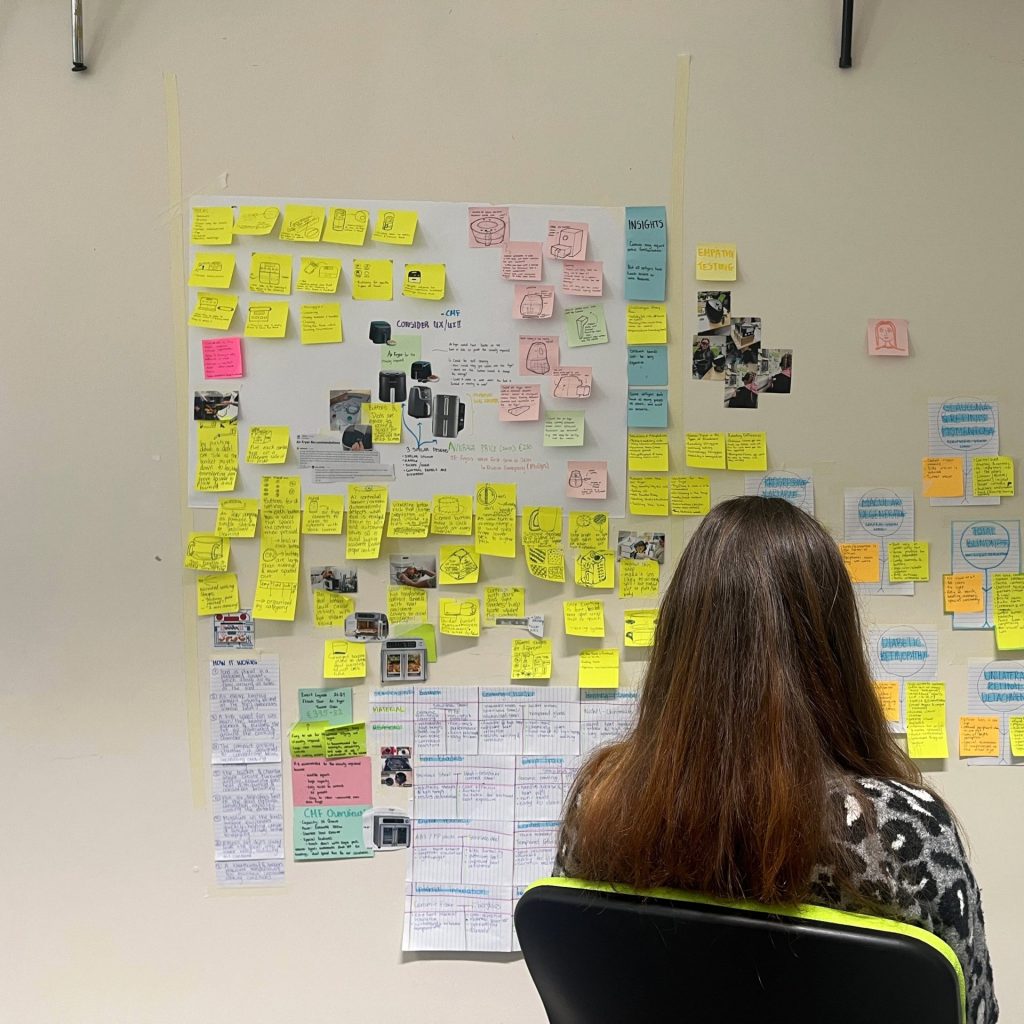
You’ll learn practical research methods to spot real user problems in everyday products. Working individually and in teams, you’ll observe, interview, map insights, and brainstorm ideas. These findings guide concept development, helping you design solutions that genuinely improve how people use products.
Turning Ideas Into Concepts
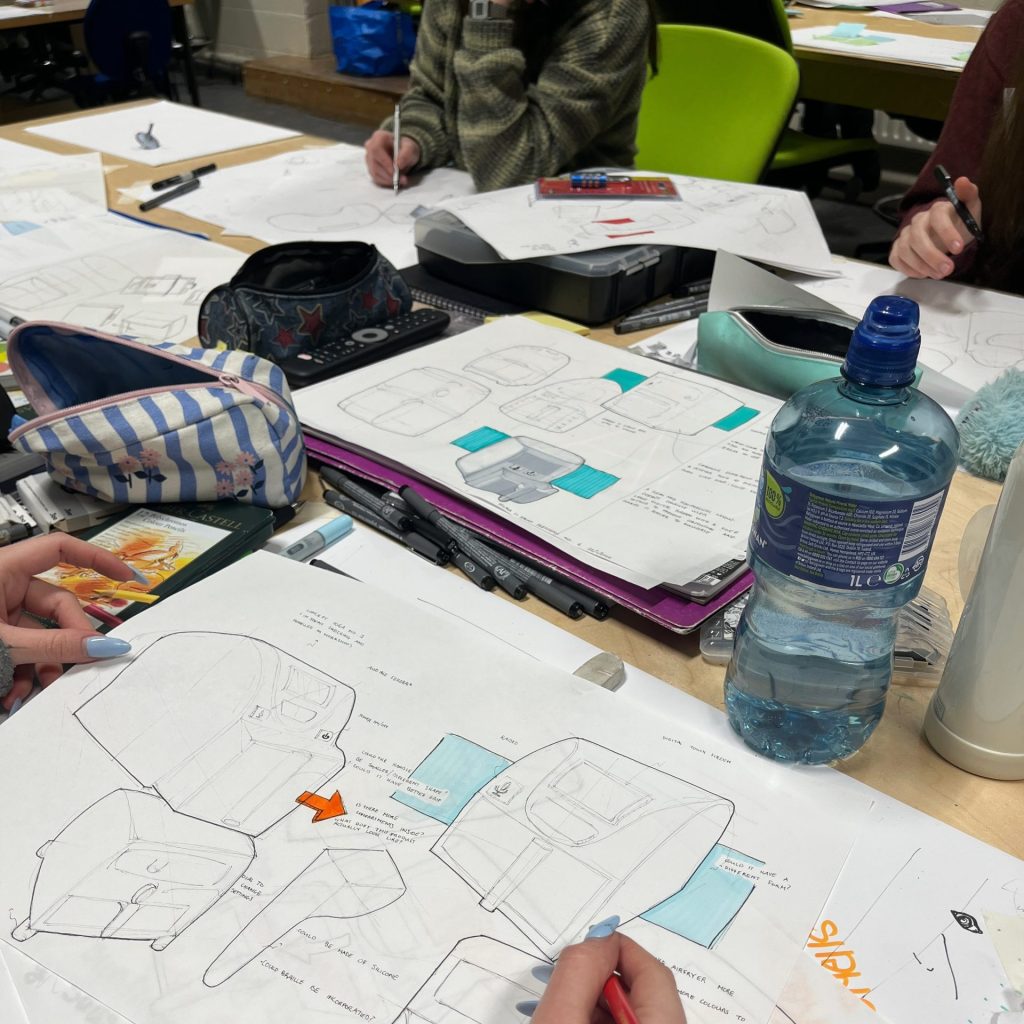
You’ll learn how to develop early ideas into clear design concepts through sketching and prototyping. By exploring options quickly and visually, you’ll test, refine, and improve ideas, moving from rough thoughts to more resolved, workable design solutions.
Experiencing Design
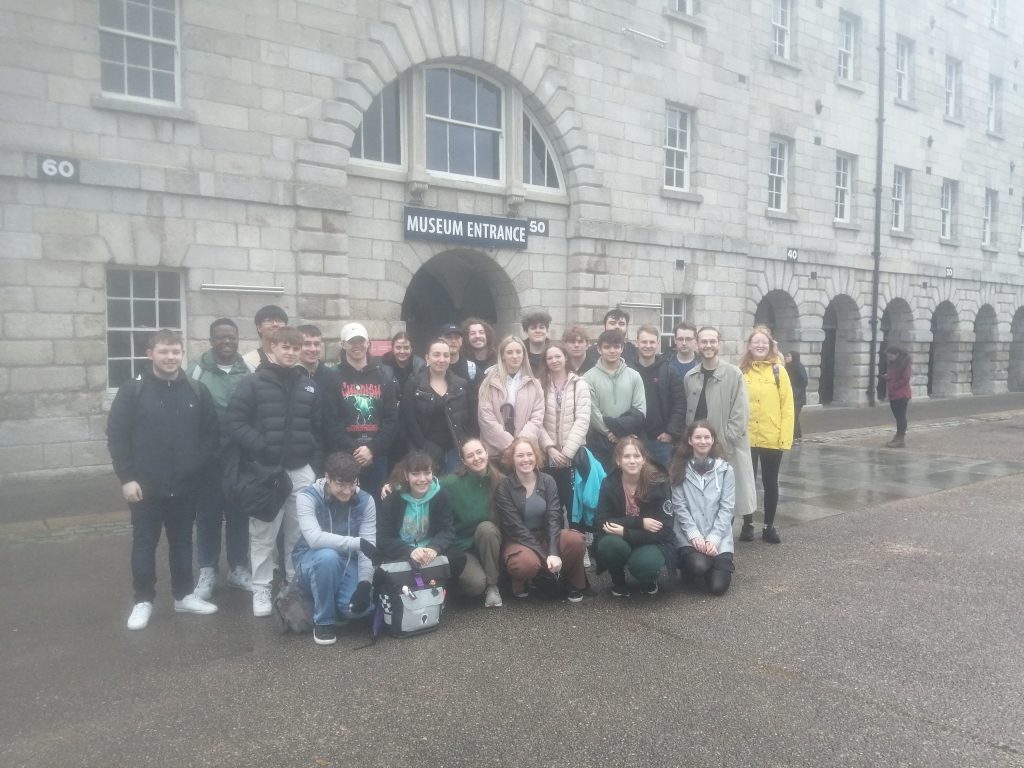
You’ll get outside the studio to experience design firsthand with your classmates. Year 1 includes trips to IKEA, the National Museum in Dublin, and the Design & Crafts Gallery in Kilkenny, building your understanding of products, materials, culture, and how design shows up in everyday life.
Visual Communication
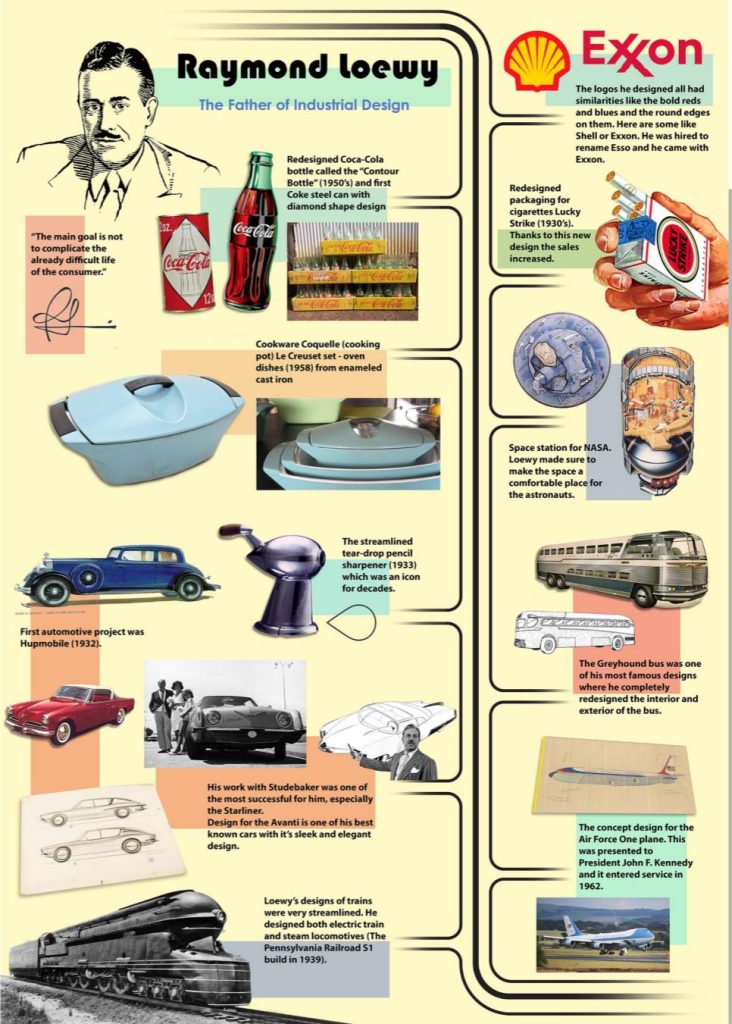
You’ll learn core graphic design principles and Adobe tools like Illustrator and Photoshop. You’ll create posters and presentation boards to visualise and communicate your designs, building confidence with layout, typography, and colour theory. You’ll also learn basic printing and plotter setup, finishing Year 1 with a digital portfolio.
Design Challenges
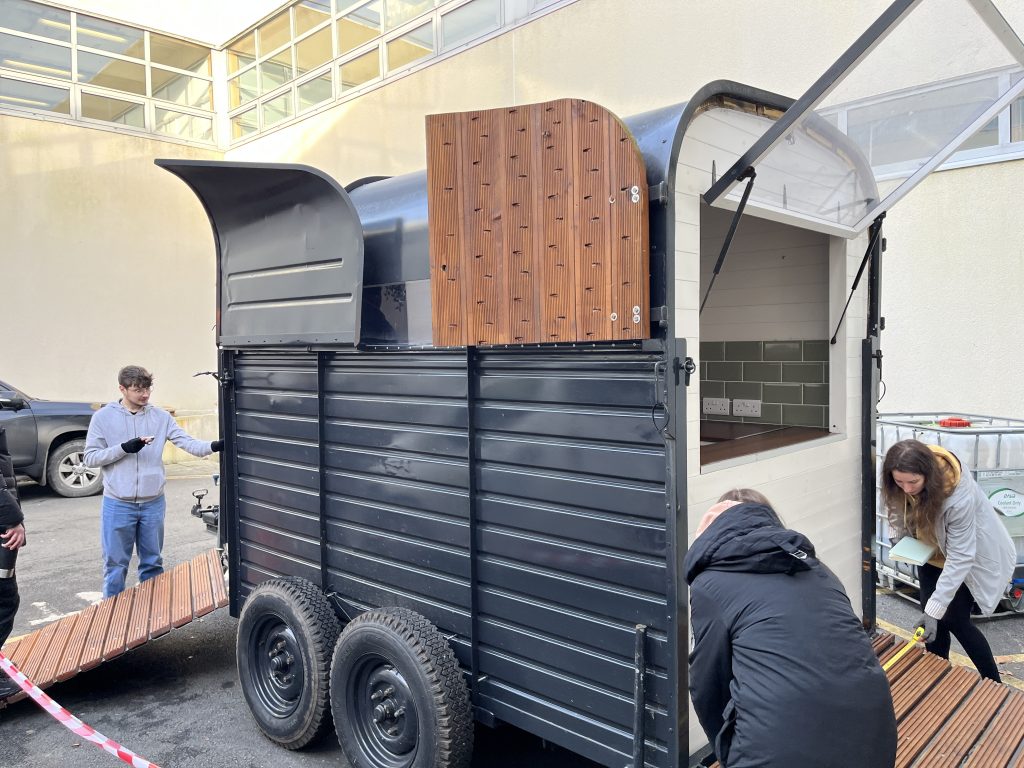
Each year, you’ll tackle new group design challenges based on real-world needs. In the example shown, students worked with a local coffee company to redesign its service using Universal Design principles, ensuring the experience was accessible and usable for everyone, including wheelchair users.
Presenting Ideas
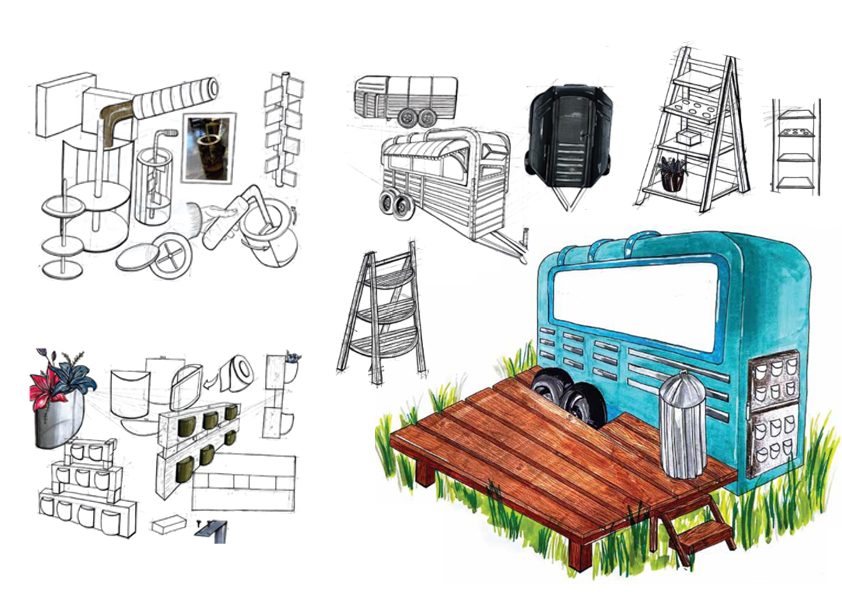
You’ll learn how to format and design clear presentation sheets that explain your project from idea to outcome. Through studio-based critiques and presentations, you’ll build professional communication skills, learning how to speak about your design decisions clearly, visually, and with confidence.
Creating Your Own Design
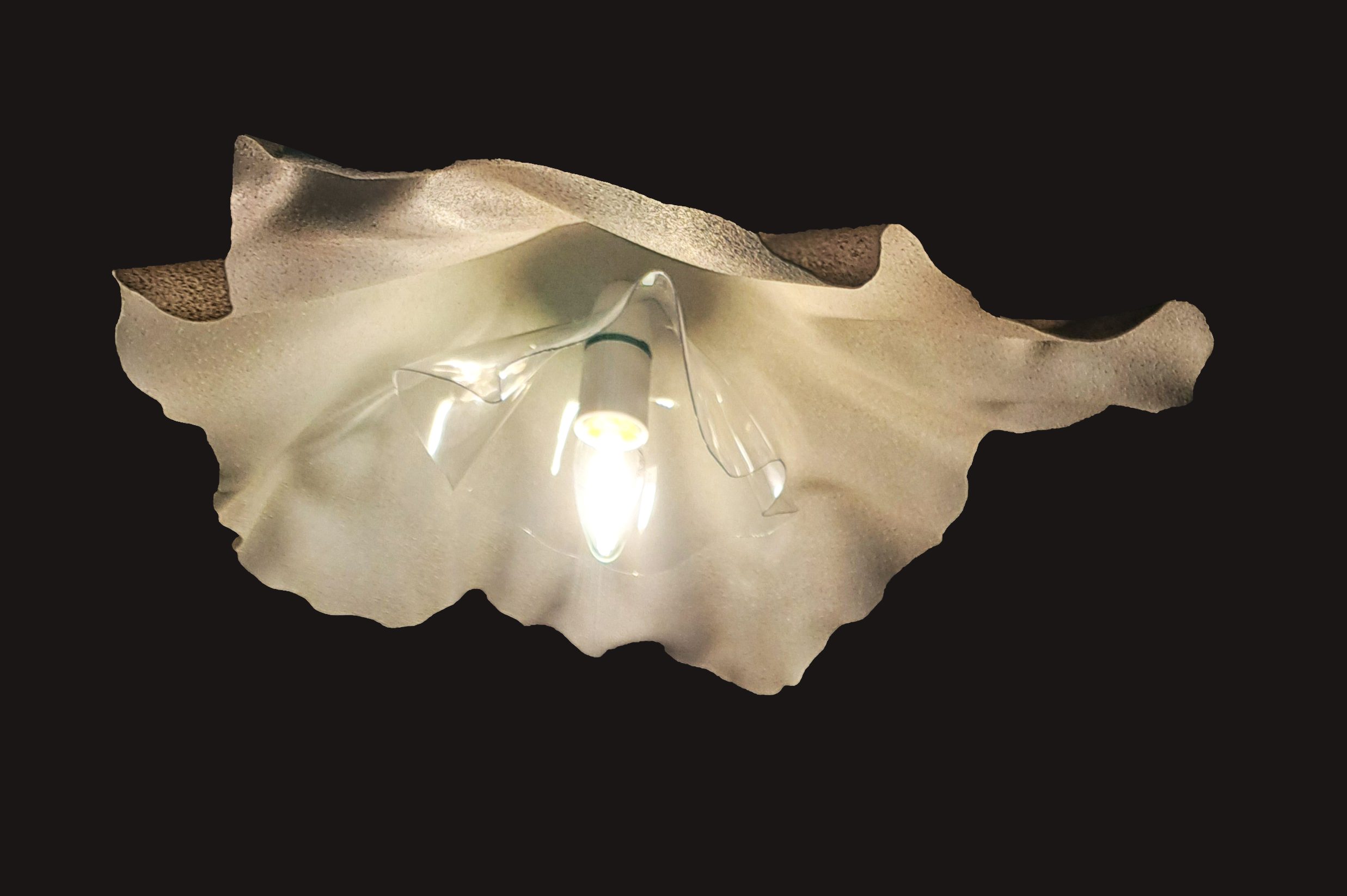
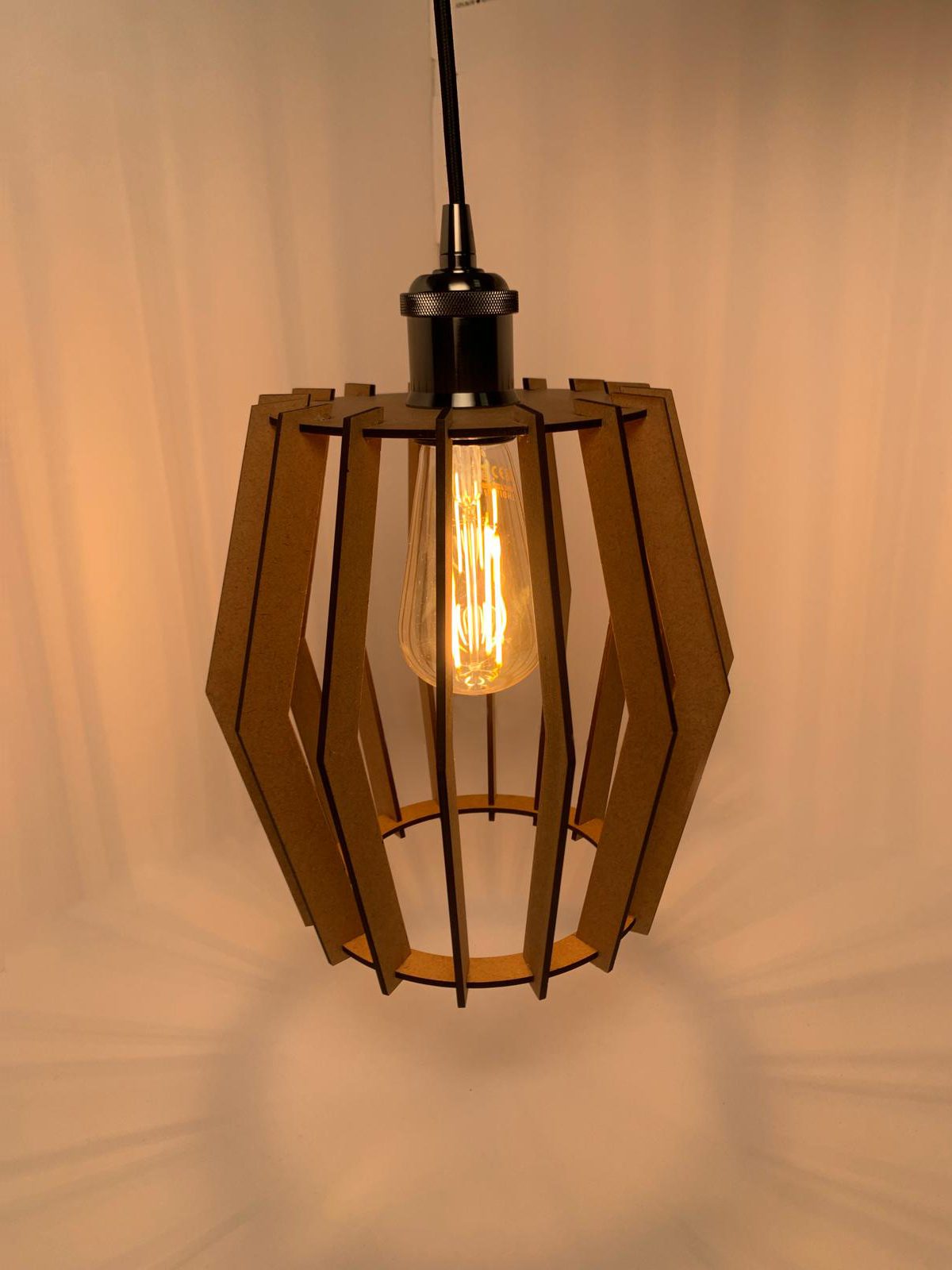
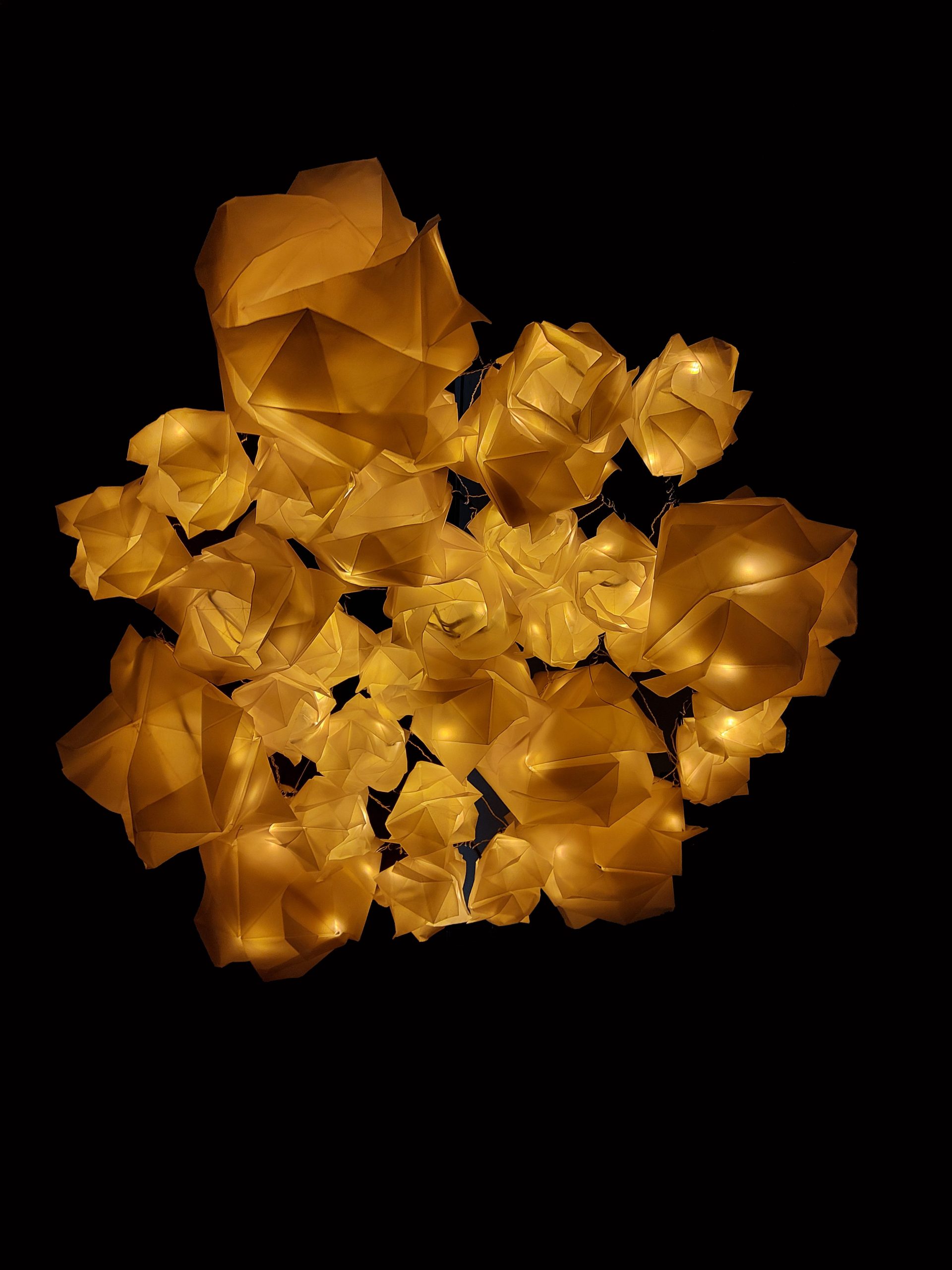
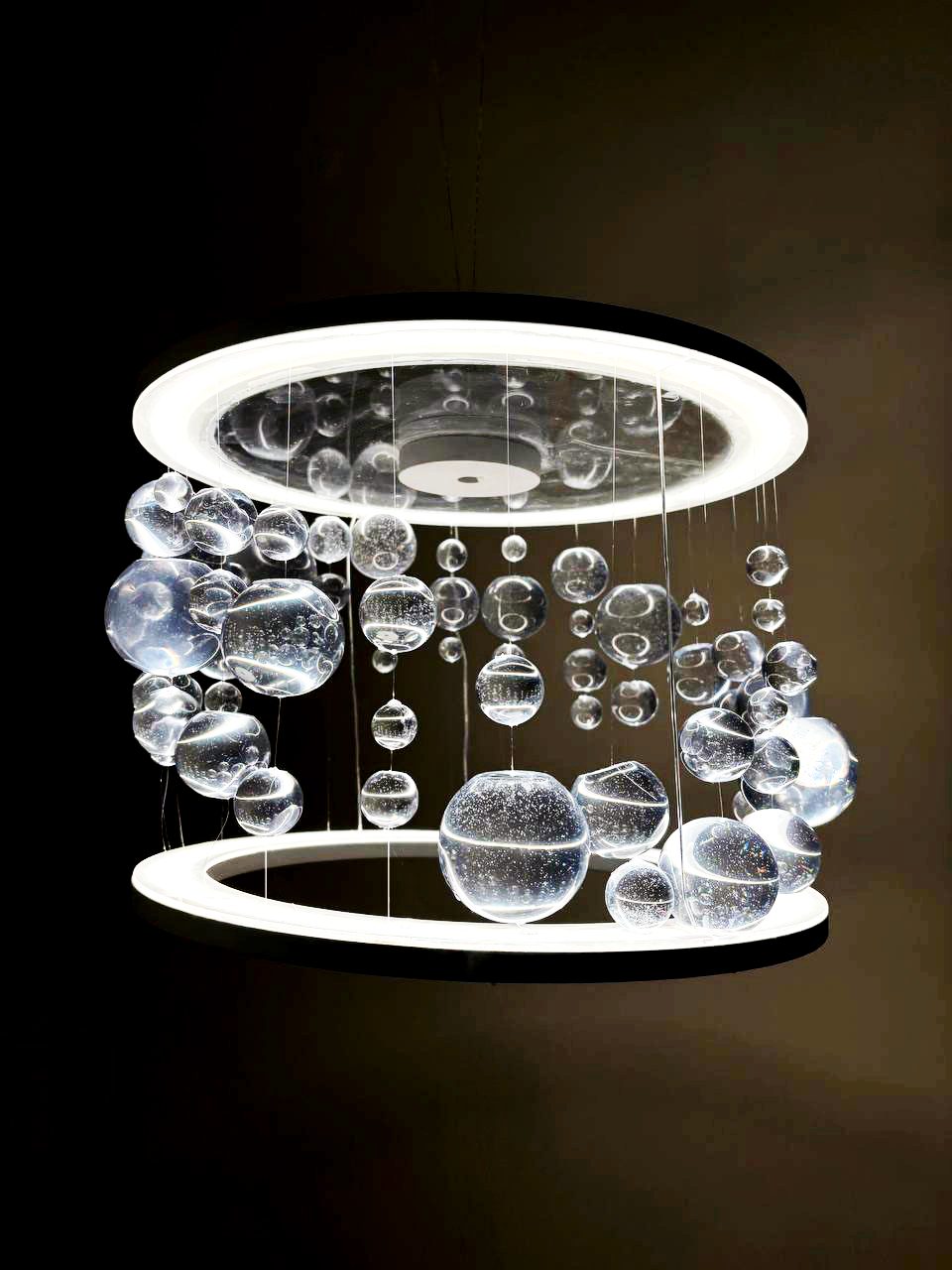
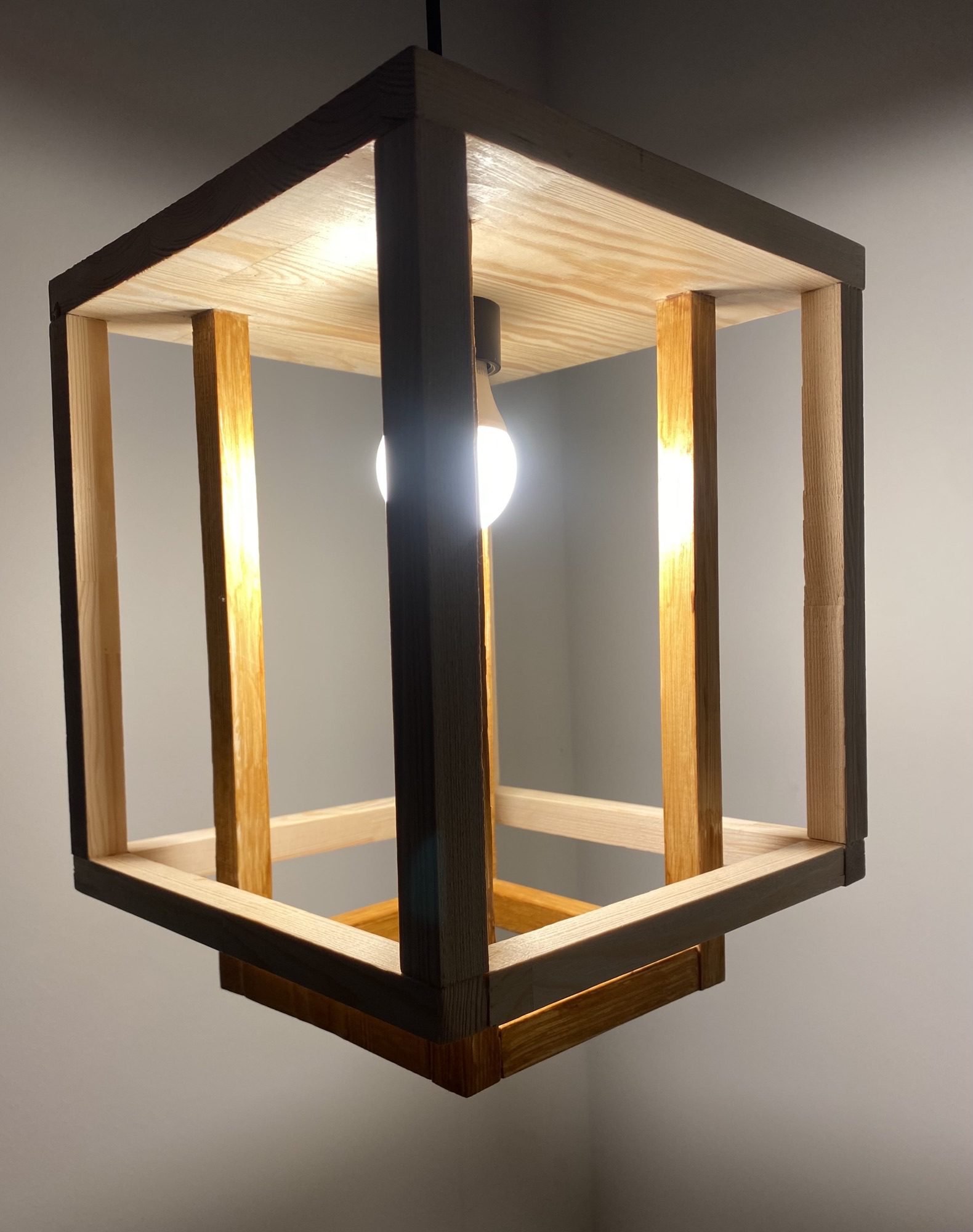
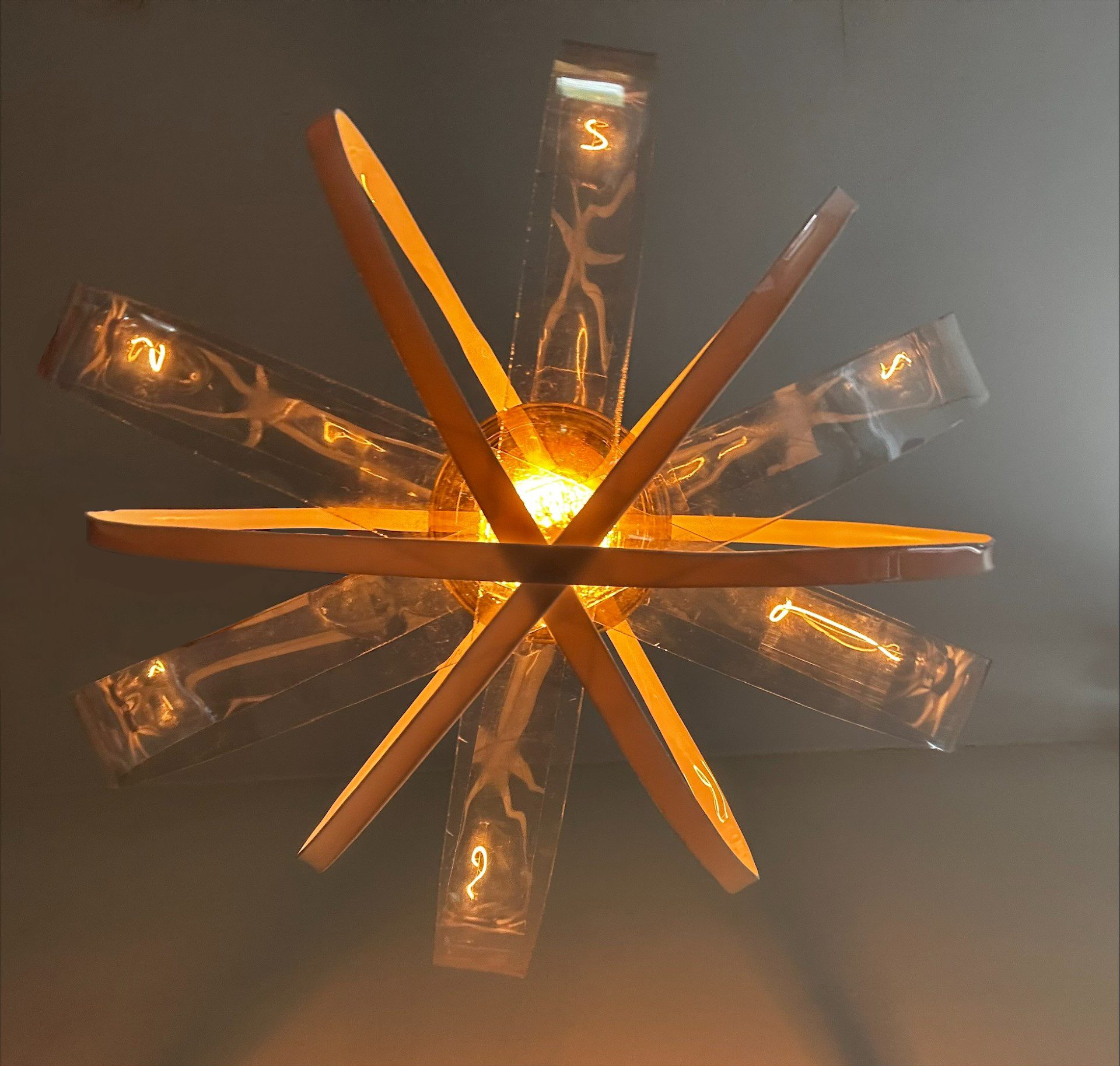
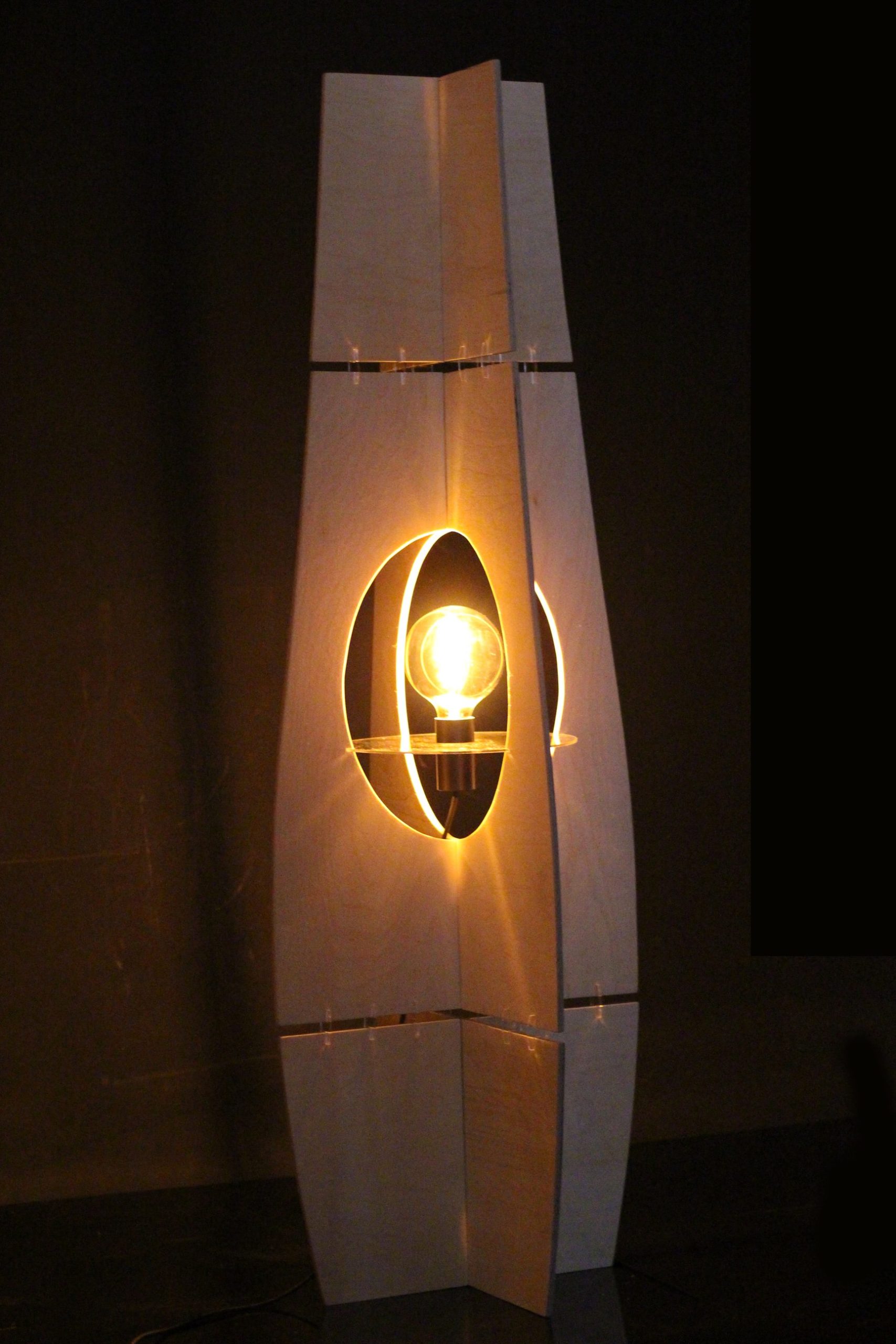
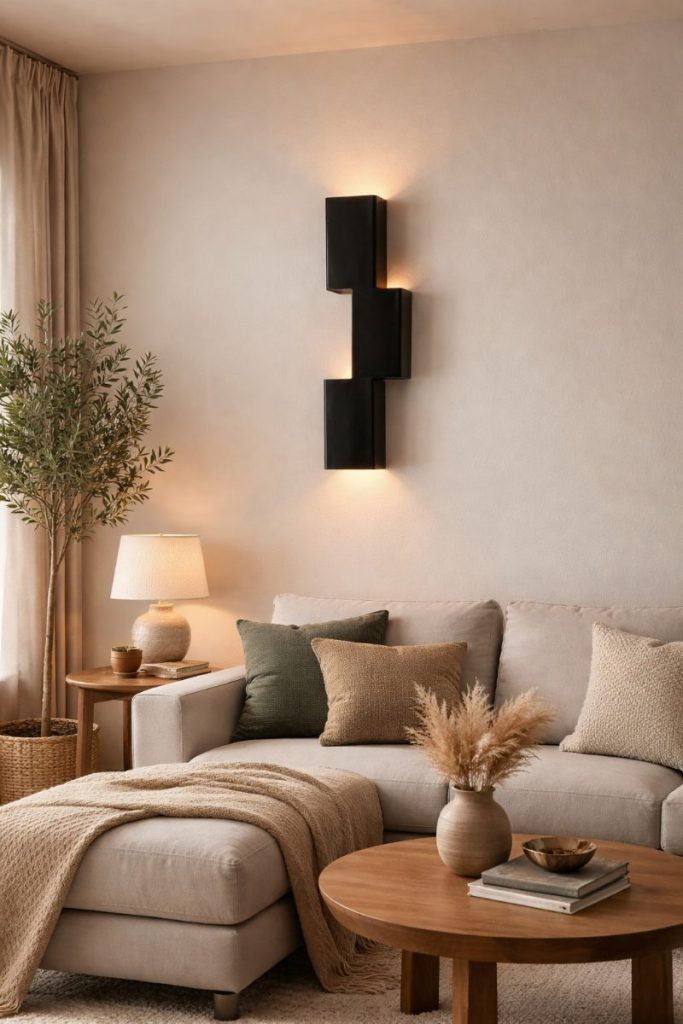
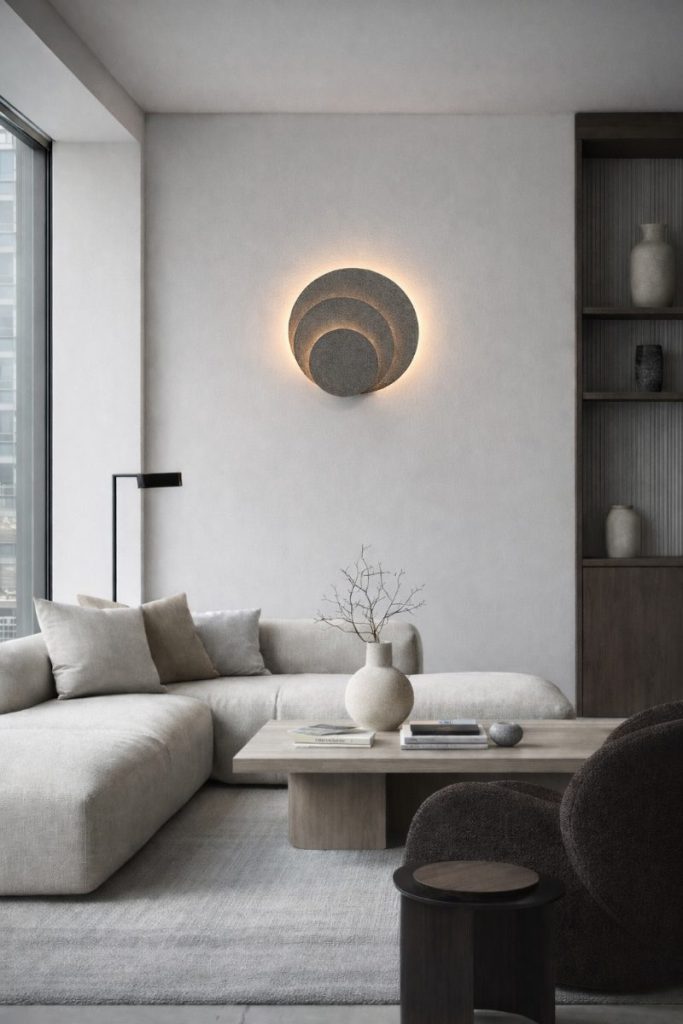
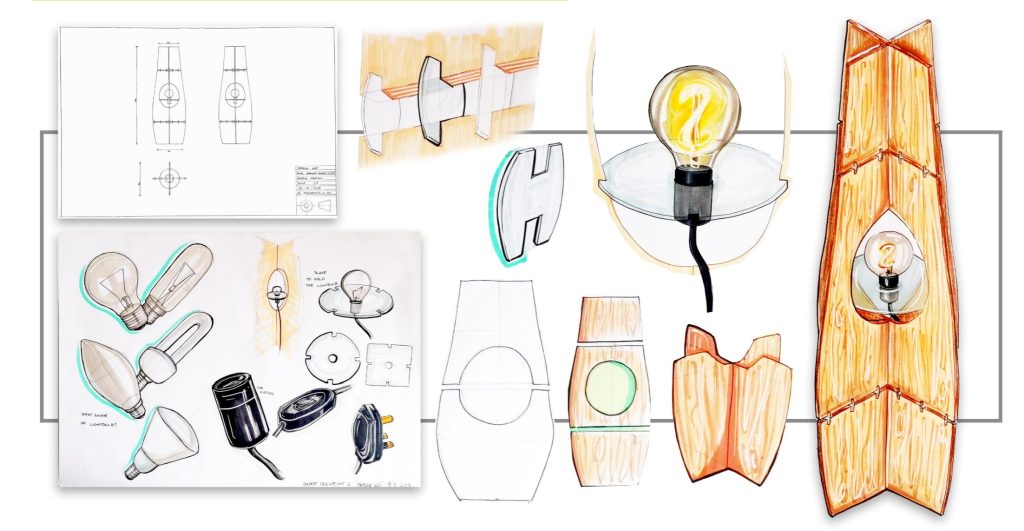
Your final Year 1 project is to design your own light, inspired by a design style or movement you connect with. You’ll bring together everything you’ve learned, developing form through iterations, proposing multiple concepts, and communicating ideas through sketching, illustration, CAD, and prototyping.
Making Your Idea Real
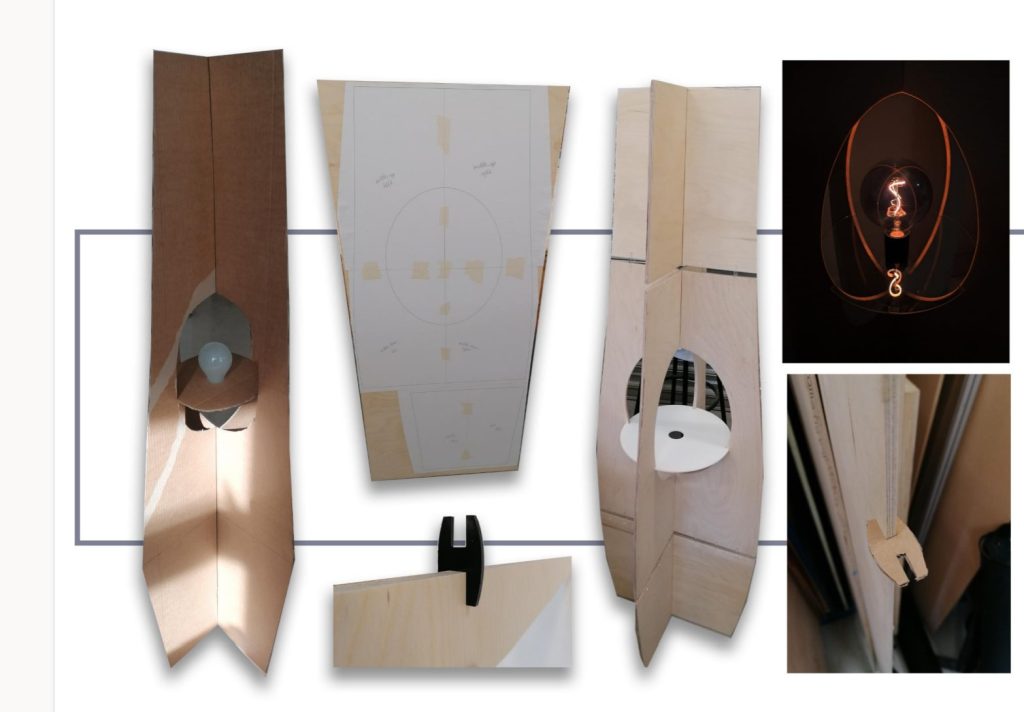
ou’ll use your new skills and our workshop facilities to make your design real, built to scale and fully functional. It’s a Year 1 highlight: imagine an idea, develop it through design work, then craft a working light for our end-of-year exhibition. This is where you step back and see how far you’ve come.